Frequently asked questions
How do I find out which bulb my car needs?
Check the marking on the base of the old bulb (H4, H7, H11, HB3, etc.) or in the vehicle manual — it indicates the type for each headlight. Low beam, high beam, and fog lights often use different bases, and the year of manufacture may not be enough. If the marking is not visible, send a photo of the old bulb and headlight or the make, model, and year — we’ll help you figure it out.
Can I install LED bulbs instead of halogen ones?
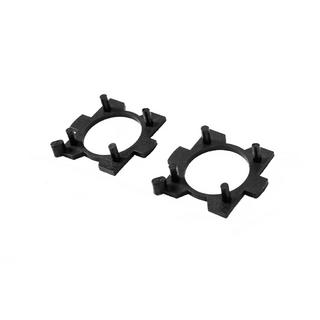
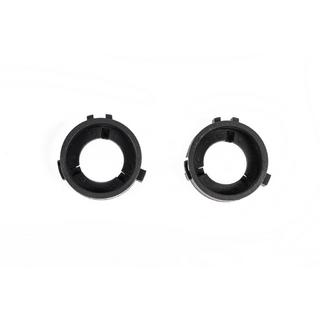
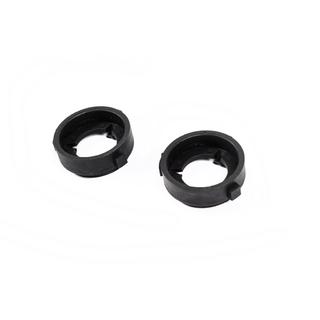
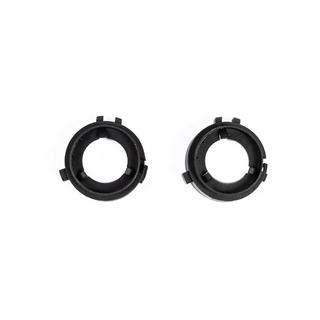
Yes, if the LED bulb has the same base, is securely fixed in place (mounting adapters are used for this), its cooling system fits under the headlight cover, and the LEDs are positioned where the filament was. Before replacing, check your country’s rules on changing the light source in headlights.
Why do I need a CANbus adapter?
An LED bulb consumes less current than a halogen one, and the on-board computer in many modern cars considers it faulty: it shows an error or the bulb flickers. A CANbus adapter, also called a “decoder,” removes this error. This is not a mounting adapter: it only holds the bulb in the headlight socket.
What is the difference between 12 V and 24 V bulbs?
Passenger cars use a 12 V system, while trucks and buses use 24 V. Bulbs for different voltages are not interchangeable, so choose the voltage according to your vehicle.
Do bulbs need to be replaced in pairs?
Yes, preferably. The new and old bulbs shine differently in brightness and shade, so the left and right headlights will be noticeably different. Xenon bulbs are replaced only in pairs.
Which color temperature should I choose?
For main beam, 4300–6000 K provides the best road contrast. For fog lights, warmer light is better — it reflects less from fog and rain droplets.