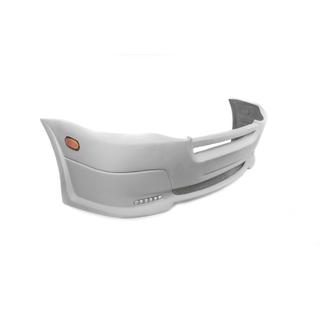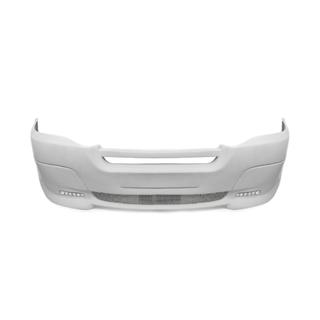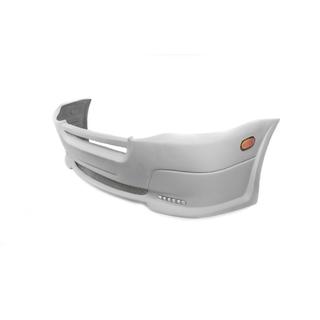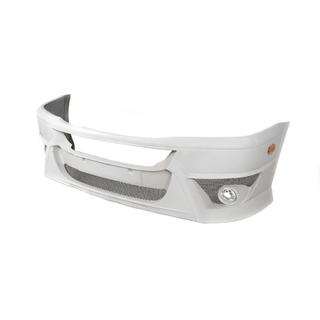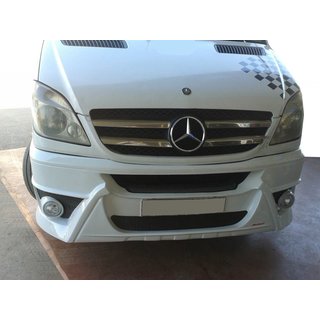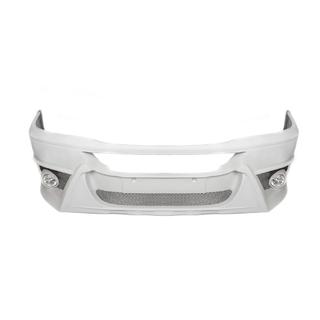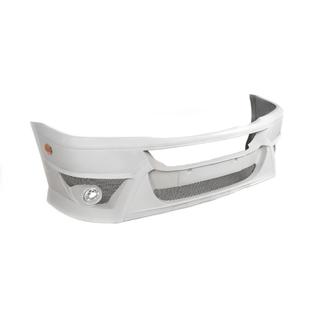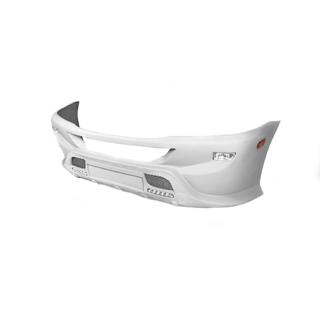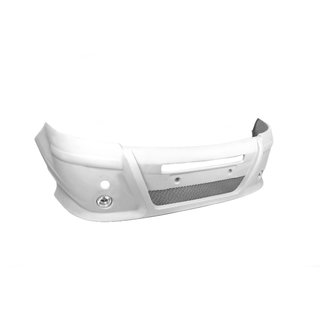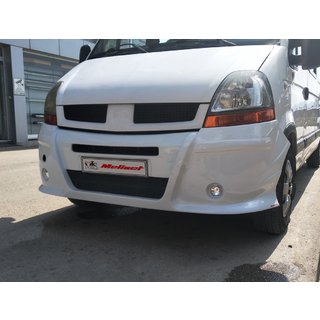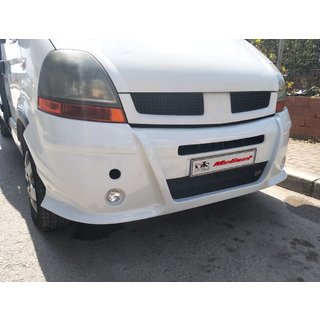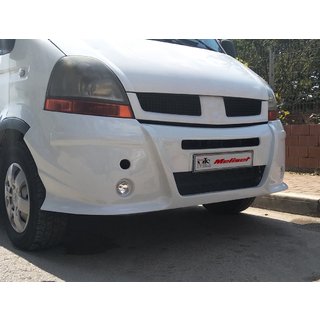



















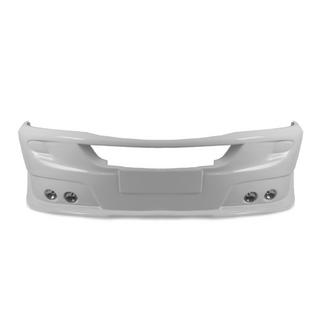
Front Bumpers Meliset

Sort
No sorting
Filter
Selected: 1
Вы выбрали
Filter by
Mark / Model
Цена
от до USD
4
Article: 4724-512B
price 337 USD
⚠️ Available but running out
-
+
Trim for bumper is made of...
Trim for bumper is made of durable layered fiberglass. Installs on the standard bumper. Adds a sophisticated look to tuning your Sprinter. To install native bumper needs a slight incision (in the area of family PTF)

Front bumper – selection, types and tuning options

The front bumper is one of the most visible and vulnerable parts of a car. It defines the “face” of the vehicle and at the same time plays an important role in protecting the body during low-speed collisions. Therefore, car owners often face the need to replace or upgrade the bumper – either after an accident or to improve the car’s appearance. The modern market allows you to buy a front bumper of various types: from original manufacturer parts to affordable analogs and special tuning kits. Online auto parts stores offer a wide range of bumpers for popular brands – Mercedes-Benz, BMW, Audi, Land Rover, Toyota, Lexus, and others. Both original parts and high-quality analogs (including those made in Taiwan and China) are available, as well as tuning bumpers for those who want to give their car a unique style.

Functions and features of the front bumper

The front bumper performs several functions at once. First of all, it serves as protection – it softens impacts during minor collisions, protecting the body panels and frame of the car. Structurally, a modern bumper consists of a reinforcement bar (metal beam), an energy-absorbing filler, and an outer plastic “skin” (bumper cover). This multi-layer design allows it to absorb part of the impact energy and reduce damage in accidents. In addition, the front bumper plays an important role in pedestrian safety – its special shape and materials reduce injury risk in case of impact.

The aesthetic function is no less important. The bumper shapes the front design of the car, combining with the grille, headlights, and hood. The bumper design often reflects the character of the model – from restrained classic to aggressive sporty. Manufacturers equip bumpers with various elements: spoilers, air intakes, decorative moldings, fog lights, and more. That’s why the front bumper is often called the face of the car.

Modern front bumpers are mainly made of flexible plastics – polypropylene (PP) or other polymers. Unlike old metal bumpers of past decades, plastic ones are elastic and easily restore their shape after minor deformations. They are lighter, corrosion-resistant, and safer for pedestrians. The bumper surface is usually painted in the body color or primed at the factory for painting. The front bumper also includes technological openings or plugs for the license plate, tow hook, parking sensors, headlight washers, radar sensors, and other options. A properly selected bumper must fully match the car model so that all mounts align and gaps are even.

Types and categories of front bumpers

There are several categories of front bumpers on the market. They differ in origin, price, and purpose. Let’s look at the main types:

Original bumper (OEM from manufacturer)

Original bumpers are produced by the car manufacturer itself or an official supplier on its behalf. These are the same parts installed on the car during factory assembly. The advantage of the original is perfect compatibility and guaranteed quality. The original front bumper precisely matches the body geometry, has all necessary openings and mounts, is made of high-quality material, and is certified. Such bumpers are usually supplied already primed for painting (or even painted, if specified) and often have branded markings with an SKU number.

The main disadvantage of original parts is the price. The cost of a factory bumper is the highest: on average, an original part can cost 50–60% more than a high-quality non-original analog. This is due to expensive materials, quality control, and dealer markup. Moreover, finding an original for older models can be difficult – they are often sold only by official dealers or specialized warehouses. However, investing in an original bumper guarantees peace of mind: the part fits perfectly, maintains factory safety, and does not affect the vehicle warranty.

OEM analog (non-original bumper)

These are new bumpers from alternative manufacturers made according to the original sample. They are also called aftermarket parts or “analogs.” Such bumpers are produced by third-party companies specializing in auto components, often the same factories that supply parts for official OEMs. The advantage of analogs is a significantly lower price with fairly good quality. Many well-known companies (especially Taiwanese and European) produce body parts that are almost as good as the original. They replicate the shape of the bumper for a specific model and have similar mounts. The material is also impact-resistant plastic (PP, ABS, etc.), though sometimes slightly thinner or with a different formula.

At the same time, the quality of non-original bumpers may vary depending on the brand. There are reputable manufacturers whose products are certified and meet standards. But the market also has very cheap fakes made of raw plastic. The main disadvantages of budget analogs are the use of cheaper materials and possible inaccuracies in geometry. This may cause installation difficulties – sometimes holes don’t align perfectly, or gaps are slightly larger. However, a quality analog bumper from a reputable brand fits the car almost without issues. Most of these parts are also supplied primed for painting. Choosing an OEM analog from a trusted manufacturer can save up to half the cost without significant quality loss. It’s important to avoid overly cheap offers and buy from reliable sellers.

Quality replica (China-made bumper)

Another large category is replicas of original bumpers made in China. Chinese auto parts once had a questionable reputation, but the situation has changed. Many global automakers now use Chinese components in their models. According to industry research, twelve Chinese companies entered the top 100 largest global auto parts suppliers in 2020. This means that production quality in China can now fully match European and Japanese brands.

Chinese bumpers attract mainly with their price-to-quality ratio. For relatively little money, the car owner gets a new part very close to the original in appearance and dimensions. If it’s a product from major factories (such as Tong Yang Group (TYG), Fuhao (FPS), and others), both material and manufacturing precision are at a high level. That’s why quality replicas are in demand – due to their reasonable price and good quality. For example, Taiwanese and Chinese bumpers from FPS or TYG brands have proven themselves well on the market. The risk lies in the existence of poor-quality counterfeits. Some small factories produce parts without proper control, using cheap materials. Such bumpers may be too thin or flexible and quickly lose shape. Therefore, experts advise not to choose the lowest price: if you buy a Chinese replica, choose a well-known manufacturer with conformity certificates. In this case, you get a part almost identical to the original in appearance and size but several times cheaper.

Tuning bumper (sport and off-road)

A separate category is tuning front bumpers, designed to change the design and characteristics of the car. There are two main directions: sporty style and off-road (reinforced) bumpers.

Sport bumpers replicate or imitate the design of top versions (AMG, M, S/RS, F-Sport, etc.) or are custom designs from tuning studios. They feature a more aggressive design: larger air intakes, splitters, and modified contours for a sporty look. Such bumpers are installed to visually and functionally bring the car closer to a sport version. For example, M-Tech bumpers for BMW, AMG Line for Mercedes, and S-line for Audi immediately give the car a more dynamic appearance. High-quality tuning bumpers are made of the same materials (durable plastic) and often designed for factory mounting points, allowing installation without modifications. So if you buy a well-made AMG-style bumper, you can install it on a base version without adjustment – all mounts will fit like the original. Materials include polypropylene or ABS plastic; fiberglass versions also exist but are more brittle and require fitting during installation. In any case, a sport bumper is a chance to stand out and get the look of a “top” configuration without buying a new car.

Reinforced bumpers are the opposite of sport ones. They are designed for SUVs and pickups used off-road. A reinforced front bumper is made of thick steel or aluminum, has a strong frame structure, and often includes a bull bar and a winch mount. Such a bumper drastically changes the look of the SUV, giving it a rugged, utilitarian style and, most importantly, significantly increasing protection. Advantages of a reinforced bumper include resistance to impacts from rocks and trees, radiator and headlight protection, and towing capability. On the other hand, a heavy metal bumper adds weight and can worsen aerodynamics. Therefore, it makes sense to install it only for vehicles truly used in extreme conditions.

Regardless of the tuning bumper type, before purchase, make sure it’s compatible with your car version. Sometimes installing a sport kit requires additional parts (different grille, fog lights, sensors, etc.) sold separately. Overall, a properly chosen tuning bumper allows you to refresh your car’s style “with minimal effort” – without deep structural modifications.

Bumper typeAdvantagesDisadvantages
OriginalPerfect fit, high material quality, manufacturer certification, warranty.Very high price, limited availability (mainly through dealers)
OEM analogLower price, wide selection, generally good quality from trusted brands.Quality may vary; minor inaccuracies in shape or mounts possible
Replica (China)Lowest cost with good quality from reputable manufacturers.Risk of uncertified products; may require minor fitting during installation.
TuningUnique design, improved appearance, possible aerodynamic and cooling benefits (larger openings).Requires careful selection for model/configuration; non-stock look may not appeal to everyone; some warranties or insurance may not cover tuned parts.

Popular car brands: front bumper replacement and tuning

The desire to improve or update the front bumper is especially common among owners of popular mid-range and premium car brands. Manufacturers often offer sport versions (M, AMG, S-Line, RS, TRD, F Sport, etc.), and the ability to “try on” their look on a base model attracts enthusiasts. Even a simple replacement of the stock bumper with a new one can be a reason for an upgrade – why not install a more stylish option right away? Let’s look at several examples and tuning ideas for different brands:

  1. Mercedes-Benz: Fans of Mercedes often strive for the AMG style. Owners of E-Class, C-Class, and other models frequently install an AMG-style front bumper to give the car a more aggressive, sporty look. For example, for the Mercedes-Benz ML (W166) crossover, there is an S63 AMG-style front bumper kit that replaces the stock one. It has larger air intakes typical of AMG but fits factory mounts without modification. Similar AMG body kits are available for other models (A-Class, G-Class, etc.), so updating the “face” of a Mercedes to a sporty level is possible even in a home garage.

  2. BMW: For BMW, one of the most popular upgrades is installing bumpers from the M series. For example, owners of a standard BMW X5 often install a front bumper from the X5M to make the SUV look like the top M version. Structurally, the X5M bumper fits the stock X5 mounts, so replacement is easy – only the bumper and grille/decor set are needed. As a result, the car gets wider air intakes and a sportier profile. Similarly, BMW 3 Series owners install M-Tech bumpers (for example, E90/E92 – from M3), and 5 Series owners – M5 or M-Pack bumpers. These changes are purely visual but significantly refresh the car’s design.

  3. Audi: For Audi, factory tuning lines S-line and RS are popular. Many owners of A4, A6, A7 models with base trims want a more dynamic look. This is achieved by installing an S-line front bumper (for moderate refresh) or even an RS version bumper – for maximum effect. For instance, an Audi A6 in S-line trim gets a different bumper with larger openings and a spoiler, while some enthusiasts go further and install an RS6 bumper. This tuning makes the car’s appearance almost indistinguishable from the high-performance version. It’s important to also match other elements (RS grille, if different, etc.) for a harmonious look.

  4. Land Rover: Owners of Land Rover and Range Rover SUVs also have options for front-end modification. There are two directions: styling under luxury versions and utilitarian off-road. In the first case, installing bumpers from Autobiography, SVR, or HSE trims is popular. For example, an early Range Rover Sport can be equipped with an SVR front bumper – with larger air intakes and carbon accents – achieving a look close to the top model. The second direction is reinforced off-road bumpers. For Land Rover Defender, Discovery, and also Toyota Land Cruiser, there are metal bumpers with bull bars. They are installed by adventure seekers to protect the vehicle in harsh conditions. Such a bumper not only gives an “expedition style” look but also allows mounting a winch, additional lights, etc. Thus, for Land Rover, the choice depends on whether you want to emphasize premium status or prepare the car for off-road.

  5. Toyota: For Toyota and other mass brands, the front bumper also offers wide tuning possibilities. Among Toyota Camry fans, installing a bumper from the sporty Camry TRD version is common – with a pronounced splitter and red accents that add aggression to the business sedan. Owners of Toyota SUVs and pickups (such as Hilux, 4Runner, Land Cruiser Prado) often install reinforced off-road bumpers with bars and protection, similar to the described heavy-duty ones. Even the Toyota Tacoma pickup in the USA is often equipped with such “bull bars” for expeditions. Thus, the Toyota brand covers both sporty and utilitarian tuning segments – every owner can choose what suits them best.

  6. Lexus: Lexus cars combine elegance and sportiness, especially in F Sport versions. If you own a base Lexus, consider installing a front bumper from the F Sport package. For example, for popular crossovers Lexus RX or NX, F Sport bumpers are available: they feature a larger spindle grille, different lower trims, and a generally more aggressive “look.” Installing such a bumper on a standard RX makes it almost identical to the F Sport version in appearance, while technically remaining the same car. Similarly, a Lexus IS sedan can be transformed by replacing the front bumper with an F Sport one, achieving a sportier front silhouette. Another interesting trend is Toyota-to-Lexus conversions, where some Toyota Land Cruiser 200 owners install a front bumper and grille from a Lexus LX to make the car look like its premium twin. Such an upgrade requires significant investment but delivers an impressive result – visually almost a Lexus, though technically still a Toyota.

As we can see, each brand has its own options for front bumper upgrades. The main thing is to ensure compatibility with your car (mounts, dimensions, and additional elements) before purchase.

Tips for choosing and installing a front bumper

Finally, here are some useful tips to help you choose and install a front bumper correctly:

  • Compatibility with model and trim. Specify the make, model, year, and even trim level of the car for which the bumper is intended. Within one model, there may be facelifts (design updates) that differ in bumper shape. For example, a bumper from a 2016 Honda Civic won’t fit a 2013 model due to different optics and grille. Therefore, look for a part strictly for your VIN or modification. If installing a sport bumper from another version, check whether additional parts (mounts, grilles, lights) are needed.

  • Openings and additional options. Check whether the chosen bumper has all necessary openings or spots for them. If your trim includes parking sensors, front camera, headlight washers, radar cruise sensors, make sure the new bumper supports their installation. Otherwise, you’ll have to drill holes manually or lose functions. Usually, replica manufacturers mark the inner side where holes can be cut for sensors. Also, check for mounts for factory trims, moldings, engine protection, etc. – so everything fits properly after replacement.

  • Material and strength. The bumper material affects durability and impact behavior. It’s best to choose bumpers made of polypropylene (PP) – this plastic is used for original parts due to its flexibility and impact resistance. ABS plastic is also strong but slightly more brittle in cold; fiberglass bumpers (also called fiberglass) are the most rigid and prone to cracking. If you buy a fiberglass tuning part, be prepared that it may crack from a small impact or severe frost. Polyurethane and polyethylene bumpers are very flexible but harder to paint. The optimal choice for most cases is a polypropylene or mixed ABS/PP bumper, close in properties to the original.

  • Painting preparation. Almost all new bumpers (original or analog) are sold primed – covered with a gray or black primer layer ready for painting. Don’t leave the bumper unpainted for long: this layer doesn’t properly protect from UV and moisture. It’s best to take the bumper to a paint shop soon after purchase for professional painting in the body color. The painter will also add elastic additives to the paint and varnish so the coating doesn’t crack on flexible plastic. A properly painted bumper will look identical to factory parts and maintain its appearance for a long time.

  • Installation and safety. It’s best to entrust bumper installation to professionals or carefully follow instructions. Proper installation means securing the bumper at all factory points – with bolts on the sides to the fenders, on top to the radiator panel, and below to the protection and wheel liners. Always keep the bumper reinforcement (metal beam) and impact absorber if present – the new bumper should fit over them. Never drive without the inner reinforcement: a plastic bumper alone is just a decorative shell that won’t protect the car or people. After installation, check that all clips, screws, and brackets are in place and that gaps between the bumper and body are even. When installed correctly, gaps are uniform, the bumper fits tightly, and doesn’t vibrate while driving.

By following these tips, you can choose the optimal front bumper that meets your needs – whether saving money or giving your car individuality. A properly selected and installed bumper will refresh your car’s appearance and maintain necessary protection. Today, there are options for every taste and budget: from expensive originals to affordable but quality replicas, as well as special tuning kits for the most demanding. This means every car owner can find the perfect front bumper to make their car more attractive and emphasize their own style – while ensuring proper safety on the road.

Shipping to EU

Wholesale and retail

Own warehouse

The entrance to the site
Кредит

Покупка частинами monobank

Опис продукту

  1. Наявність кредитної картки від Монобанку
  2. Доступний кредитний ліміт за сервісом "Покупка частинами monobank"
  3. Перший платіж буде списаний у день оформлення

Подарунки не надаються при оформленні покупки у кредит під 0,01% або при покупці частинами.

Request a callback
Notify when available