


45USD
Made to order
Delivery time:14-21 days
 Acura
 Alfa Romeo
 Audi
 BMW
 Bentley
 Brilliance
 Bugatti
 Buick
 BYD
 Changan
 Cadillac
 Chery
 Chevrolet
 Chrysler
 Citroen
 Cupra
 DAF
 Dacia
 Daewoo
 Daihatsu
 Dongfeng
 Datsun
 Dodge
 DS Automobiles
 FAW
 Ferrari
 Fiat
 Fisker
 Ford
 GAC Motor (Trumpchi)
 Geely
 Genesis
 Great Wall
 GMC
 Honda
 Hongqi
 Hyundai
 Hummer
 JAC
 Jaguar
 Jeep
 Jetour
 Infiniti
 Isuzu
 Iveco
 KIA
 Lamborghini
 Lada
 Lancia
 LandRover
 Leapmotor
 Lexus
 Li Auto
 Lifan
 Lincoln
 Lotus
 Lucid
 MAN
 Maserati
 Mazda
 McLaren
 MG
 Mercedes-Benz
 Mitsubishi
 Mini
 Nissan
 Opel
 Peugeot
 Polestar
 Porsche
 Rivian
 Renault
 Rolls-Royce
 Saab
 Scania
 Sinotruk
 Seat
 Skoda
 Smart
 SsangYong
 Subaru
 Suzuki
 Tesla
 Toyota
 Volkswagen
 Volvo
 Volga
 Xiaomi
 Xpeng
 Wuling
 ZeekrGAZ
 UAZ

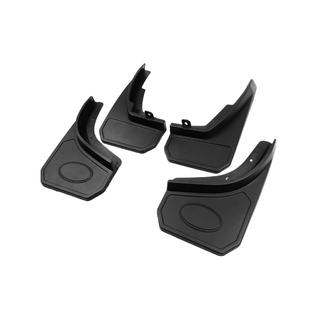


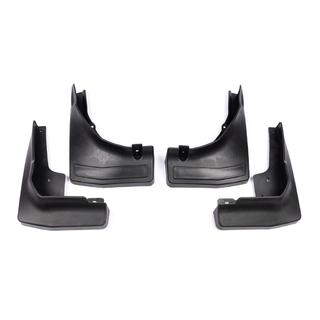


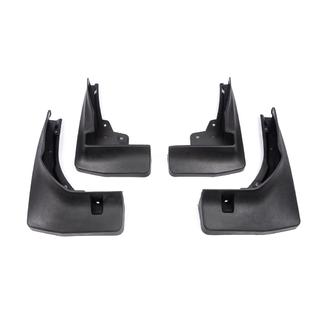

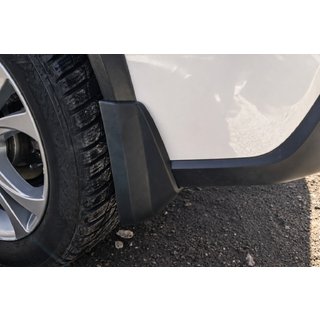


 Clearance Free shipping


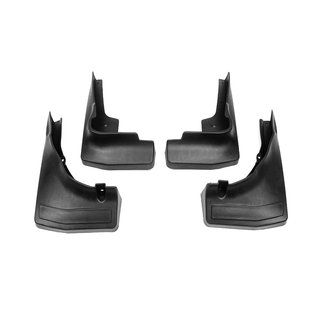
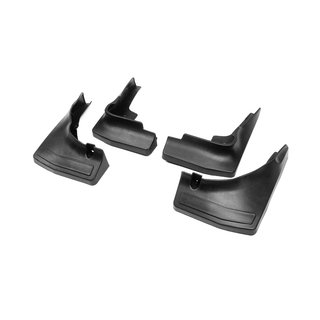
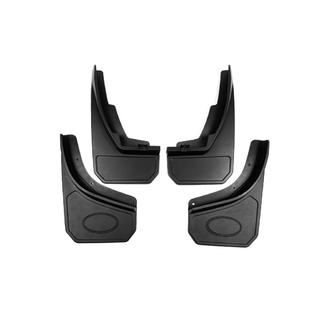
Original mud flaps are mud flaps that replicate the shape of the OEM parts for a specific model and, in most cases, mount to the factory mounting points without drilling the body. This section includes over 750 kits for 42 brands and more than 500 vehicle generations: most commonly a set of 4 pieces for both axles or a pair for one axle, made of rubber or rubber-plastic; the main manufacturer is Dongmart, and there are also EuroCap, Pryn Auto, GBT, 1234 Upgrade, and Cagatay.
“Original” in the category name refers to the shape matching the OEM part, not to being made by the car manufacturer. The actual manufacturer is listed in the specifications. Most kits are Dongmart equivalents of factory mud flaps.
Rubber mud flaps are softer and flex more easily when they hit an obstacle; rubber-plastic ones hold their shape and follow the wheel-arch contour more precisely. Both materials work in summer and winter; stiffness depends on the specific model, so rely on the product specs.
Mud flaps block dirt, water, road chemicals, and small stones thrown up by the wheels, protecting the sills, lower door edges, and rear bumper from chips. They’re often installed together with fender liners: liners protect the inside of the arch, while the mud flap protects the body behind the wheel. If your vehicle has side skirts or fender trim, double-check the fit of the front mud flaps against the actual body configuration. All types of mud flaps are available in the mud flaps section.
This description was prepared with AI based on the analysis of over 1 million phone calls between DD Tuning managers and customers, plus the company knowledge base. We compiled the most common customer questions and practical, field-tested answers.
Each country has its own DD Tuning store with its own language, currency and delivery terms
Nothing found

We'll let you know as soon as the item becomes available.