
From146USD
In stock
Dispatch on19.10.2026
Delivery5-21 days
The delivery cost is calculated in the cart
+0 USD cashback
 Acura
Acura Alfa Romeo
 Audi
Audi BMW
BMW Bentley
 Brilliance
 Bugatti
 Buick
Buick BYD
BYD Changan
 Cadillac
 Chery
Chery Chevrolet
 Chrysler
 Citroen
 Cupra
Cupra DAF
DAF Dacia
Dacia Daewoo
 Daihatsu
 Dongfeng
 Datsun
 Dodge
Dodge DS Automobiles
 FAW
FAW Ferrari
 Fiat
Fiat Fisker
 Ford
Ford GAC Motor (Trumpchi)
 Geely
Geely Genesis
 Great Wall
 GMC
GMC Honda
Honda Hongqi
 Hyundai
 Hummer
 JAC
JAC Jaguar
 Jeep
Jeep Jetour
 Infiniti
 Isuzu
Isuzu Iveco
Iveco KIA
KIA Lamborghini
 Lada
Lada Lancia
 LandRover
 Leapmotor
 Lexus
Lexus Li Auto
 Lifan
Lifan Lincoln
 Lotus
Lotus Lucid
Lucid MAN
MAN Maserati
 Mazda
Mazda McLaren
 MG
MG Mercedes-Benz
 Mitsubishi
 Mini
Mini Nissan
 Opel
Opel Peugeot
 Polestar
 Porsche
 Rivian
 Renault
 Rolls-Royce
 Saab
Saab Scania
 Sinotruk
 Seat
Seat Skoda
Skoda Smart
Smart SsangYong
 Subaru
 Suzuki
 Tesla
Tesla Toyota
 Volkswagen
 Volvo
Volvo Volga
Volga Xiaomi
 Xpeng
Xpeng Wuling
 ZeekrGAZ
 UAZ
UAZ
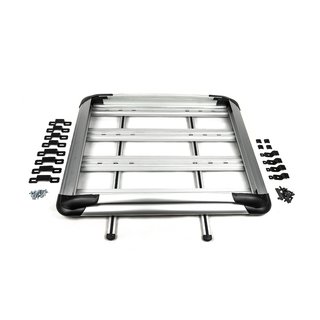
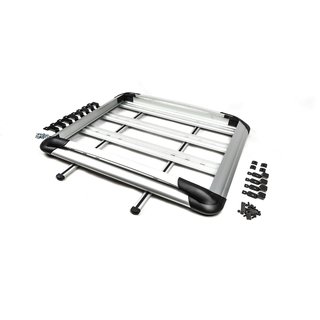
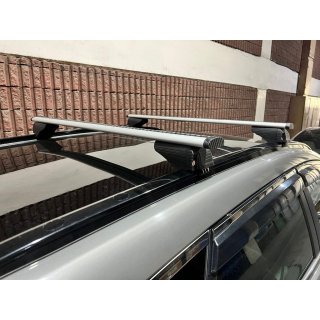
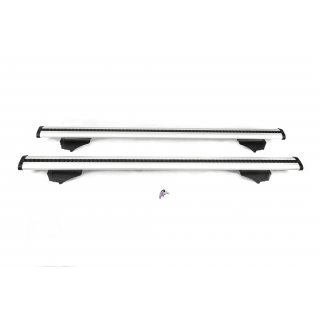
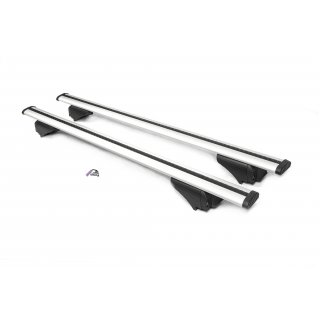
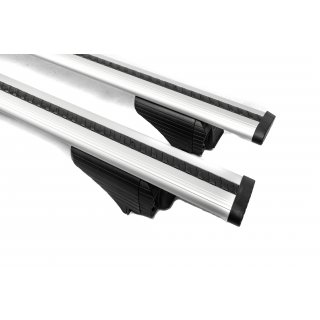
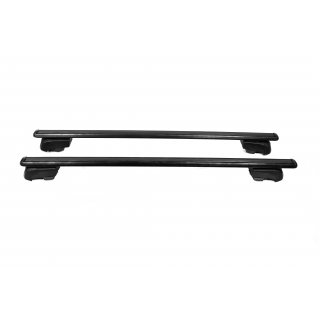
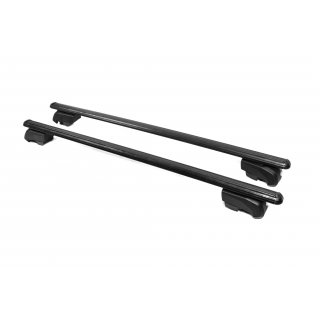
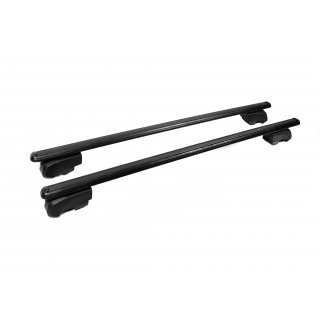
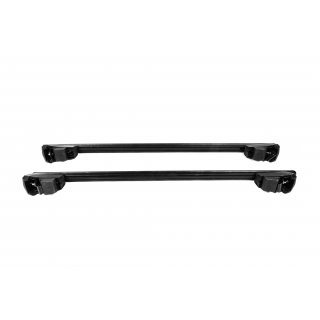
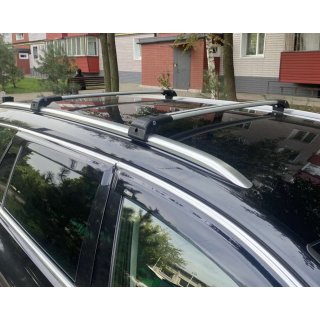
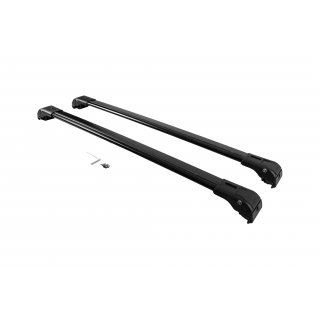
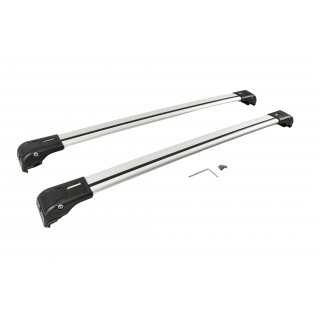
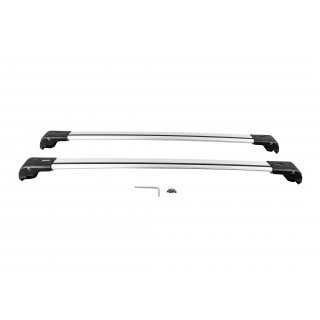
A roof rack for integrated roof rails is a pair of cross bars mounted on rails that sit flush on the roof with no gap, turning the roof into a base for a roof box, roof basket, or bike rack. The category includes over 1,000 vehicle-specific items: Erkul (Turkey) aluminum cross bars in the Ecem V2, Wizard V2, WingCarrier V2, Wingbar V2, Strong V2, and Skybar V2 series, Bold Bar V2 cross bars by Omsa Line, OEM cross bars by Cixtai, and racks with cross bars and a net for vans.
Integrated roof rails (also called flush, built-in, “molded-in”, or rails with no gap) sit on the roof as a solid strip: you can’t slide your hand between the rail and the roof. Their cross bar clamps are different, so a rack for another roof type won’t fit:
| Option | Manufacturer and material | Key features |
|---|---|---|
| Ecem V2, Wizard V2, WingCarrier V2, Wingbar V2, Strong V2, Skybar V2 | Erkul, Turkey; aluminum | 2 cross bars matched to your vehicle model; grey or black color options; length is shown in the name or in the variant selector — for example, Strong V2 120 cm, Wizard V2 115 or 125 cm |
| Bold Bar V2 | Omsa Line, Turkey; aluminum and plastic | 2 lockable cross bars, complete installation kit |
| OEM cross bars | Cixtai, China; aluminum | factory-style design, mostly black |
| Rack with cross bars and net 110 × 145 cm or 125 × 200 cm | Omsa Line, Turkey; aluminum | cargo platform with cross bars for vans and minivans — Fiat Doblo, Ford Custom, Mercedes Vito and Viano, and others |
| Roof rails with cross bars | various manufacturers | longitudinal rails together with cross bars for specific models, for example Toyota Land Cruiser Prado 150, Toyota Hilux, Nissan Navara |
“Lockable” in the product name means there’s a lock: a key blocks access to the mounting hardware. The lock makes removal harder, but it doesn’t increase load capacity.
Cross bars are the base for roof boxes, roof baskets, bike racks, and ski racks; you can’t mount these accessories directly to the rails. Before buying an accessory, confirm its mounting system matches the cross bar profile. The allowable weight is the lowest of the limits — the vehicle roof rating (listed in the owner’s manual), the rails, and the cross bars; also include the weight of the box itself, and distribute the load evenly.
An aerodynamic profile is quieter than a rectangular one, but wind noise at speed is still possible. With cargo on the roof, fuel consumption increases too, so it’s best to remove cross bars when you don’t need them. Vehicle-specific cross bars install without drilling or cutting — you can fit them yourself using the instructions or have them installed at DD Tuning’s network of certified service centers; the manager will point you to the nearest one.
This description was prepared with the help of AI based on the analysis of over 1 million phone calls between DD Tuning managers and customers, as well as the company’s knowledge base. We collected the questions customers ask most often and practical, field-tested answers.
The roof becomes a base for a roof box, basket, bicycle and ski mount
Model-specific crossbars fit factory integrated roof rails without drilling
Free up space in the cabin and trunk during trips
The aluminum profile is lightweight and does not rust
Can be removed when not needed; key-lock versions have a lock
Add noise at speed — whistling may occur even with an aerodynamic profile
Carrying cargo on the roof increases fuel consumption
Load capacity is limited by the lowest limit of the roof, rails and crossbars
Designed for a specific model and will not fit another type of roof rails
The car gets taller — with a box, take into account the height of the garage or parking entrance
Each country has its own DD Tuning store with its own language, currency and delivery terms
Nothing found

We'll let you know as soon as the item becomes available.