



Discount
Universal product
Article: 1023074
price 65 USD 70 USD
Available but running out
| departure date | 09.10.2026 |
| Manufacturer | Digital Designs |
| A country | Ukraine |
| Material | Aluminum + plastic |
| type of instalation | Clips or screws |
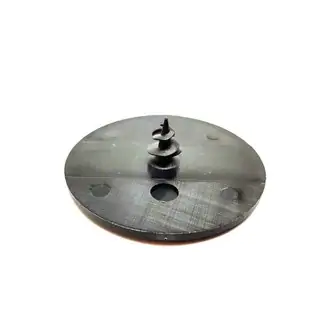
| Equipment | Heel plate, Mounting |
| Main color | Gray |
| vendor code | dd76864 |
| Category |
| Length | Width | Height | Weight |
|---|---|---|---|
| 30 | 20 | 3 | 1 |
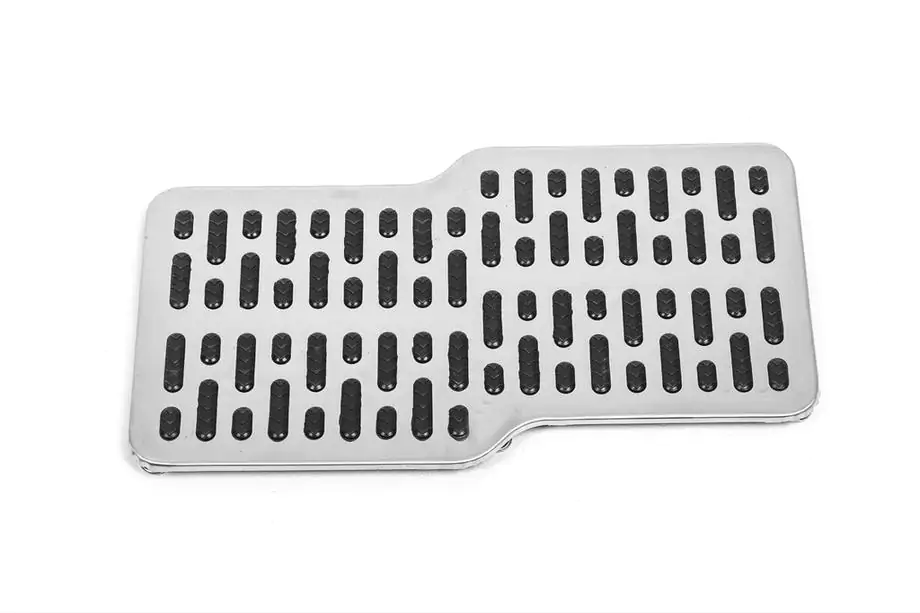
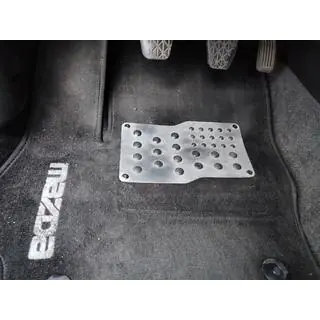
Heel pad V3 (aluminum) — an overlay for the driver’s car mat in the heel area. This is exactly where the mat wears out the fastest: the heel constantly rests on the floor near the pedals and over time rubs through the material. The aluminum plate takes this load on itself, and the mat lasts longer. In conversations, customers call such a part differently — “heel pad”, “heel protector”, “heel plate”, “metal insert”, or simply “heel overlay” — but it’s the same product.
The V1, V2, V3 labels in the heel pad lineup are design options: they differ in plate shape and surface pattern. Choose the one that best matches your mat and interior.
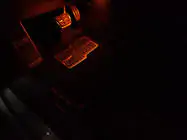
A heel pad is almost never included with mats — it’s a separate option that is added to the driver’s mat if desired. Most often, an aluminum heel pad is chosen for EVA cabin mats: the honeycomb material under the heel gets pressed in and wears, while the plate distributes the load evenly. It is also installed on textile mats — in the gallery photo, the V3 heel pad is installed specifically on a carpet mat, where it protects the pile from abrasion. The main requirement is that the mat must have a flat area under the heel and the ability to make holes for the fasteners.
The heel pad comes as a separate part, not screwed onto the mat: the position is different for each driver, so it’s determined inside the vehicle. There are usually no pre-made holes in the mats — you make them yourself after test fitting.
If you’re still choosing mats, take a look at EVA mats, rubber cabin mats, and textile mats for your model. Other overlay options — aluminum with a different design, such as the V1 heel pad, as well as the EVA heel pad and rubber ones — are collected in the heel pads for car mats section. To secure the mat itself to the floor, you’ll need a universal clip.
The description was prepared with the help of AI based on analysis of over 1 million phone conversations between DD Tuning managers and customers, as well as the company’s knowledge base. We collected the questions customers ask most often and answers proven in practice.


Shipping to EU
Wholesale and retail
Own warehouse
Опис продукту
Подарунки не надаються при оформленні покупки у кредит під 0,01% або при покупці частинами.


Thank you so much!