13.02.2026
491

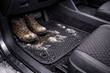
Winter in a car isn’t just cold starts and fogged-up windows. It’s also a wet interior, puddles under your feet, salt and road chemicals in the cabin that “live” there for weeks, and that damp smell that seems to come out of nowhere. One day you simply get behind the wheel and realize: it’s wet under the mat, the sound insulation is damp, and your shoes are constantly in water.
That’s exactly why people search for “EVA mats winter” and “EVA mats for winter”. The textured “honeycomb” traps water and dirt in the cells, and the right mat shape (sometimes with raised edges) helps keep water from running over the side. If you’re choosing a set for the season, start with the EVA mats for winter section — it’s easier to find the right format for your car and conditions there.
In 90% of cases the cabin “floods” not because of holes in the body, but due to everyday little things: snow on your shoes melts in the warm cabin, water runs onto the mat, and then either accumulates or gets under the mat and into the sound insulation. Then everything follows the script: dampness, odor, condensation on the glass, and the feeling of a “damp basement”.
EVA mats with a “honeycomb” texture work like a mini reservoir: water and debris settle in the cells instead of spreading across the surface. But it’s important to understand: a mat doesn’t “remove” water from the cabin by itself — it localizes it. Your job is to drain/clean and dry regularly, and then the interior won’t stay wet.
If you want a quick comparison of what’s best for winter in your driving style, check out what’s better for winter: EVA, rubber, or carpet. And for the basics on how the material works and why the “honeycomb” is effective, see here: what are EVA mats.
In winter, the question “do I need raised edges” comes up more often than in any other season. The reason is simple: water doesn’t come in “drops” — it comes in volume. Here, EVA mats with raised edges or a 3D format can genuinely change the situation — but not always and not for everyone.
If you want to dive specifically into the topic of edges and the 3D format, check the separate article 3D EVA mats with raised edges — it covers height, fitment nuances, and when raised edges really justify the price.
In winter, the right care routine decides everything. Even the best mats won’t save you from snow and water if water sits in the honeycomb for weeks. Winter is the season when it’s better to do it “often and fast” rather than “rarely and long”.
How to wash and dry properly with details (including pressure washer use, residue, and smell) is covered in the practical guide EVA care: washing and drying.
| Weather conditions/scenario | Problem | EVA solution | Comment |
|---|---|---|---|
| Snow + warm cabin | Snow melts and creates puddles under your feet | “Honeycomb” holds water; drain after trips | Don’t keep water for weeks — drain often |
| Slush and “mush” | Lots of dirt and salt, residue in the cabin | Regularly rinse the cells so chemicals don’t accumulate | Rinsing once a week is the minimum |
| Road chemicals on the roads | Chemicals in the cabin, white residue, odor | Rinse with water + neutral shampoo, thorough rinse-off | Don’t “soak” with harsh chemicals |
| Short trips 5–15 min | Moisture doesn’t have time to leave; the cabin gets damp | Frequent draining + ventilation after stopping | Dampness often appears specifically on short routes |
| Family trips/passengers | More water and dirt, faster soiling | Full set + regular cleaning of the rear row | Don’t forget the rear mats and the tunnel |
| Out of town/private sector | Mud, large volumes of dirt | EVA with raised edges + rinsing at an angle | Edges add “capacity”, but you still need to drain the water |
| Wet items in the trunk | Moisture, odor, stains | Separate EVA trunk mat | A practical option — EVA trunk mat |
The worst part in winter is when water gets under the mat and into the sound insulation. Sound insulation can hold moisture for a long time, and then for months you’re “chasing” odor and fogged windows. Stopping it is easier than it seems.
The smell most often appears because a mix of dampness and dirt hasn’t been cleaned for a long time. If it’s already there — start with a full wash of the mats and thorough drying. Next, check and dry the floor under them. In most cases this is enough without “heavy artillery”.
This checklist helps make the winter routine simple: don’t let it turn into a “swamp” — keep the interior dry with short actions.
| Before the trip | After the trip |
|---|---|
| Shake snow off your shoes as much as possible (2–3 seconds, but it really works) | Check the driver’s mat: if there’s water — drain it |
| Make sure the driver’s mat hasn’t shifted and doesn’t interfere with the pedals | Shake large dirt and debris out of the cells |
| If you’re driving in “slush” — plan a quick clean in the evening | Ventilate the cabin briefly for 30–60 seconds |
| Keep a wipe/rag in the trunk for quick wipe-downs | Don’t leave wet items in the cabin for long |
| If you often carry “wet” things — use a trunk mat | Once a week, rinse the mats to wash off road chemicals |
| Make sure the raised edges (if any) aren’t deformed and fit snugly | Once a week, lift the mat and check the floor underneath |
| Avoid “accumulating” water — better more often, but fast | If the mat is wet — dry it outside the car, not “in place” |
Winter moisture in the cabin isn’t a “normal” thing — it’s the result of accumulated meltwater and road chemicals. EVA mats in winter work best when you do simple things regularly: drain water, rinse the honeycomb cells, dry, and ventilate. If your scenario includes lots of snow, slush, and short trips, it makes sense to consider EVA mats with raised edges or a 3D format — they hold a larger volume of water within the mat.
You can choose the right format for your conditions and buy EVA mats for the winter season in the catalog — pay attention to the shape, mounting, and, if needed, raised edges.
Yes. Road chemicals mix with water and dirt, forming residue that can smell even without a “visible” puddle. The solution is regular rinsing of the mats and not leaving the dirt “until spring”.
Often — yes, if you have lots of meltwater, slush, and short trips. Raised edges keep water inside, reducing the chance it will flow under the mat. But raised edges require proper fitment and regular draining of water.
It’s best to drain water after wet trips (especially the driver’s mat), and fully dry as needed when the mat is truly wet. Don’t put a wet mat back “overnight” in a cold cabin.
Water can run down the edges or accumulate underneath due to condensation and lack of drying. Once a week, lift the mat and check the floor under it — it’s a simple way to avoid soaking the sound insulation.
Wash the mats, rinse thoroughly, dry completely, and also ventilate and dry the floor under them. In most cases, that’s enough. If the smell persists, it means moisture has already gotten into the sound insulation and you need longer drying.
Shaking helps with debris, but in winter the main problem is water and road chemicals. They need to be drained and periodically rinsed; otherwise residue, dampness, and odor will appear.
Shipping to EU
Wholesale and retail
Own warehouse
Опис продукту
Подарунки не надаються при оформленні покупки у кредит під 0,01% або при покупці частинами.