



















Your car
Reset
  • Universal Accessories
  • brand iconAcura
  • brand iconAlfa Romeo
  • Avatr
  • brand iconAudi
  • brand iconBMW
  • brand iconBentley
  • brand iconBrilliance
  • brand iconBugatti
  • brand iconBuick
  • brand iconBYD
  • brand iconChangan
  • brand iconCadillac
  • brand iconChery
  • brand iconChevrolet
  • brand iconChrysler
  • brand iconCitroen
  • Cowin
  • brand iconCupra
  • brand iconDAF
  • brand iconDacia
  • brand iconDaewoo
  • brand iconDaihatsu
  • Denza
  • brand iconDongfeng
  • brand iconDatsun
  • brand iconDodge
  • brand iconDS Automobiles
  • brand iconFAW
  • brand iconFerrari
  • brand iconFiat
  • brand iconFisker
  • brand iconFord
  • brand iconGAC Motor (Trumpchi)
  • brand iconGeely
  • brand iconGenesis
  • brand iconGreat Wall
  • brand iconGMC
  • brand iconHonda
  • brand iconHongqi
  • brand iconHyundai
  • brand iconHummer
  • brand iconJAC
  • brand iconJaguar
  • brand iconJeep
  • brand iconJetour
  • brand iconInfiniti
  • brand iconIsuzu
  • brand iconIveco
  • brand iconKIA
  • brand iconLamborghini
  • brand iconLada
  • brand iconLancia
  • brand iconLandRover
  • brand iconLeapmotor
  • Leopaard
  • brand iconLexus
  • brand iconLi Auto
  • brand iconLifan
  • brand iconLincoln
  • brand iconLotus
  • brand iconLucid
  • brand iconMAN
  • brand iconMaserati
  • brand iconMazda
  • brand iconMcLaren
  • brand iconMG
  • brand iconMercedes-Benz
  • brand iconMitsubishi
  • brand iconMini
  • Moskvich
  • brand iconNissan
  • brand iconOpel
  • brand iconPeugeot
  • brand iconPolestar
  • brand iconPorsche
  • brand iconRivian
  • RAVON
  • brand iconRenault
  • brand iconRolls-Royce
  • brand iconSaab
  • brand iconScania
  • brand iconSinotruk
  • brand iconSeat
  • brand iconSkoda
  • Skywell
  • brand iconSmart
  • brand iconSsangYong
  • StreetScooter
  • brand iconSubaru
  • brand iconSuzuki
  • brand iconTesla
  • brand iconToyota
  • brand iconVolkswagen
  • brand iconVolvo
  • brand iconVolga
  • brand iconXiaomi
  • brand iconXpeng
  • brand iconWuling
  • brand iconZeekr
  • brand iconGAZ
  • brand iconUAZ
Category
Show products

How long does it take to run in a new car?

The article is devoted to the rules and features of running in a new car. It examines what a break-in is, what its main goals are, and how long it usually takes. Typical manufacturers’ recommendations for break-in duration for passenger cars, SUVs, and trucks are given.
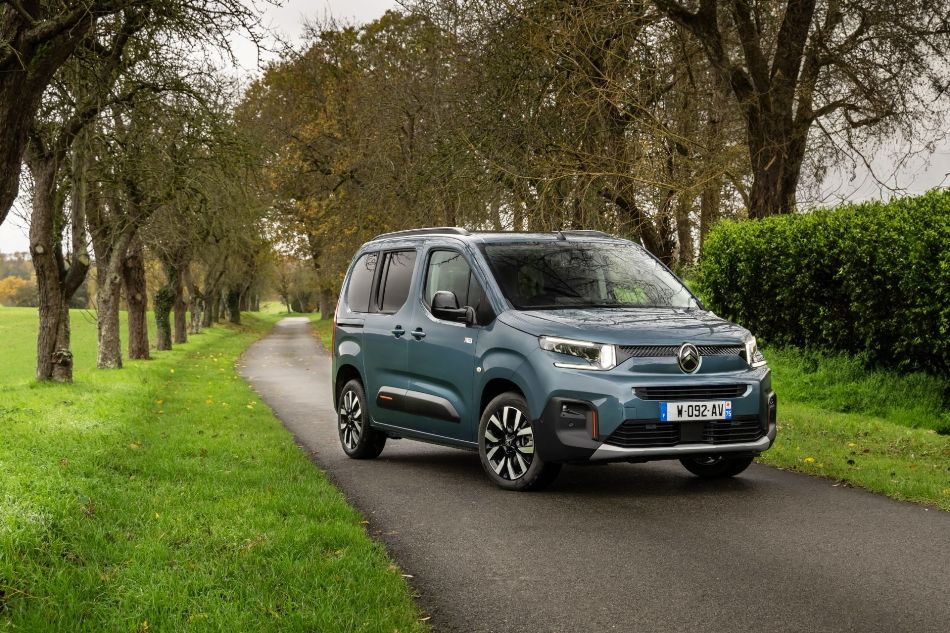
How long does it take to run in a new car? Photo 1

Buying a new car is always an exciting event. But many car owners are faced with the question: how to properly run-in in order to maximize the service life of the engine and other responsible components? Let's figure out how much time it usually takes to run in and what rules should be followed. You can also improve your car and make it more presentable if you use tuning accessories, a wide range of which is available in our online store.

What is a car break-in?

Running-in is a special period of operation of a new car, during which all its mechanisms and parts are used up. During this period, it is important to observe a number of restrictions regarding engine operation mode, loads and speed mode.

The main goals of running in:

  • Accretion of engine parts that rub;
  • Formation of optimal gaps in connections;
  • Brake system break-in;
  • Processing of transmission parts.

Compliance with the rules of running in allows you to significantly extend the life of the car and prevent premature wear of its important components.

How long is the break-in period?

The duration of a new car's break-in period may vary depending on the manufacturer's recommendations, but on average it is:

  • Passenger cars - 1000-1500 km;
  • SUVs and trucks - 2000-3000 km.

During this period, it is important to strictly follow the following rules:

  • Do not exceed the maximum speed of 80-90 km/h;
  • Do not allow high loads on the engine (sudden acceleration, wheel skidding);
  • Do not use the engine at maximum speed;
  • Regularly check the oil level and top up if necessary.

It is also recommended to avoid towing a trailer or carrying heavy loads during the break-in period.

How to check that the break-in is complete?

The end of the break-in period can be determined by the following signs:

  1. The engine began to work more smoothly and quietly;
  2. Fuel consumption has decreased to the regular level;
  3. Instrument readings (oil pressure, temperature) stabilized;
  4. Brakes began to work more efficiently.

After passing the entire break-in route, you can gradually switch to a more dynamic vehicle operation mode. However, it is recommended to refrain from maximum loads for some time.

Conclusion

Running in a new car is an important stage that allows you to ensure the maximum resource and reliability of its components. Strict adherence to the manufacturer's recommendations regarding the duration and mode of break-in guarantees a long and trouble-free service of your new car.


This material was prepared using AI tools for topic research, structuring and initial draft creation. Fact-checking, editing, expert review and final approval were performed by Maksym Vasyliovych Radomskyi.

Related article and news about tuning and cars

Alfa Romeo Giulia 2022: updated Italian sedan
This short review offers a look at the updated Alfa Romeo Giulia sedan. From the article, you can find out the technical characteristics of the car, dimensions, composition of equipment, as...
17.08.2024
634
Ford Kuga 2024: an updated crossover with new features
In this review post, you can familiarize yourself with the updated Ford Kuga crossover. From the article, you will learn the dimensions of the car, the composition of the equipment, features...
30.08.2024
825
How to choose the perfect car accessories
The article discusses key aspects that will help car owners to make the right choice of car accessories. The main categories of accessories are singled out, such as comfort, safety and style...
18.09.2024
379
Why do you need body wax for a car?
This article discusses the importance of using body wax for cars. The key advantages of wax are explained, such as protection against external influences, increasing the service life of the...
04.10.2024
361
Replacing car taillights: useful tips
This article provides a step-by-step guide on how to replace taillights on a car. It covers topics such as choosing the right lights, the tools needed, and the replacement process itself. Th...
25.09.2024
1466
Review of the second-generation Volvo V60 Cross Country station wagon
The article is devoted to the review of the second generation Volvo V60 Cross Country, a station wagon that harmoniously combines Swedish style, safety and off-road qualities. The technical...
20.09.2024
1016
How to care for car glass: cleaning and protection from damage
This article discusses the basic methods of caring for the glass surfaces of cars, including effective ways to clean them and protect them from damage. You’ll find helpful life hacks like us...
20.09.2024
453
Review of the restyling electric Citroen e-Berlingo of the third generation
This article presents a review of the 2024 third-generation Citroen e-Berlingo compact electric van. Key technical characteristics are considered, including the power of the electric motor,...
29.09.2024
720