09.04.2026
350
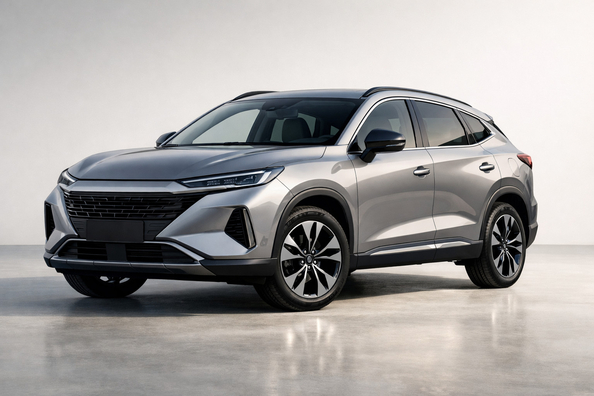
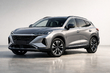
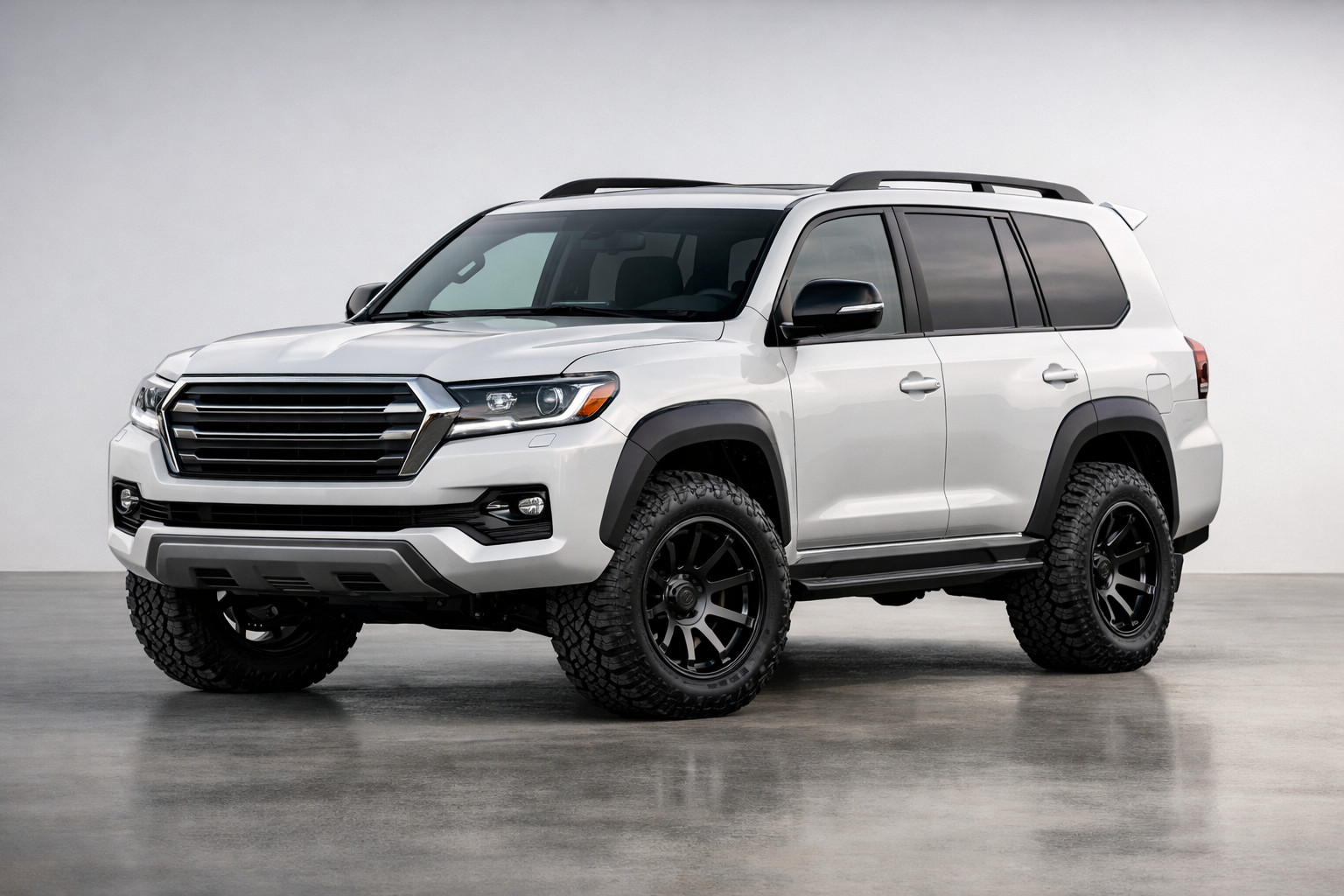
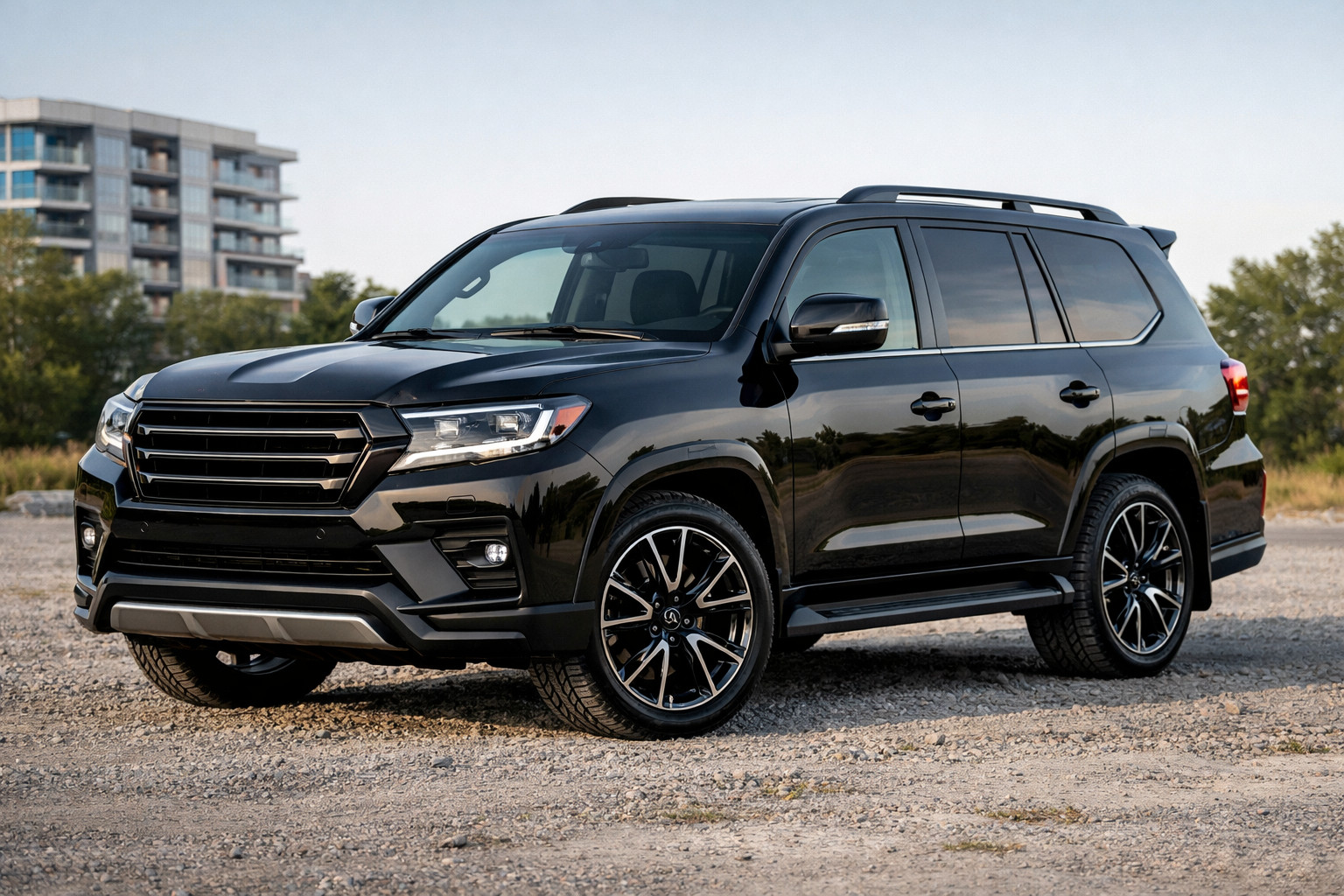
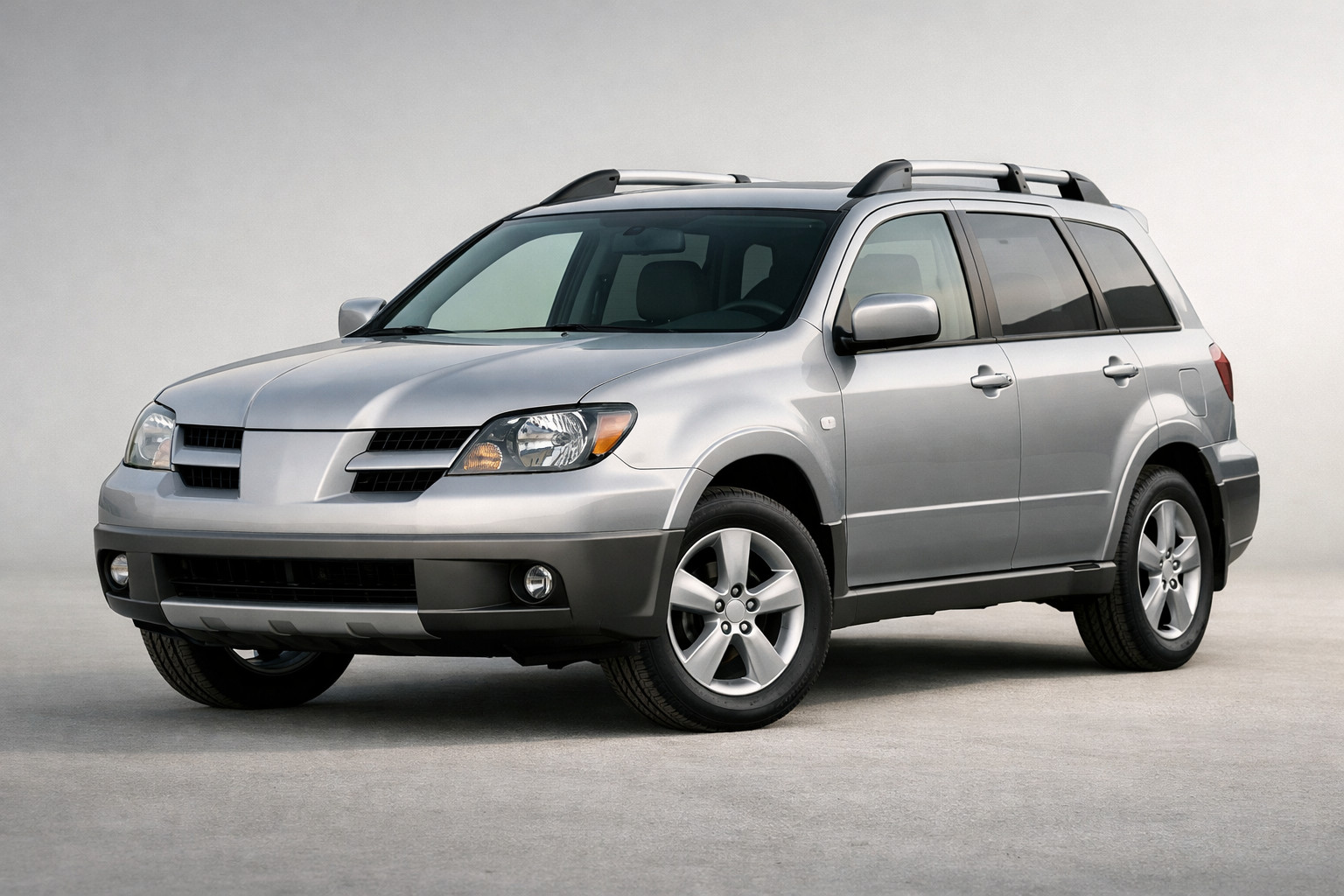
This top ten Chinese cars is a good reminder that the market is no longer held up by low price alone. There are fast EVs with large batteries, a self-charging hybrid with very modest official consumption, and petrol crossovers that win with equipment and size. But the differences between them are big: BYD Seal and XPeng G6 make the most sense where there’s proper charging infrastructure, Haval H6 Hybrid is logical without a plug, while Geely Monjaro or Chery Tiggo 8 Pro Max are more about family travel.
There’s one important nuance: with Chinese brands, the hardware often looks stronger than the reputation. The specs are already competitive, but specifications vary by country, service and parts availability aren’t the same everywhere, and long-term ownership statistics are still short for some models. So it’s worth looking not only at catalog numbers, but also at your own use case: city, highway, family, luggage, charging at home—or no charging at all.
This isn’t one uniform top ten, but a cross-section of several segments at once. BYD Seal is an electric sedan for those who want performance and long range without stepping up to premium. BYD Atto 3 is a more compact family electric crossover with a calmer character. BYD Sealion 7 and XPeng G6 are already large electric crossovers for highway driving and family use.
On the petrol/hybrid side, Jaecoo J7, Omoda C5, and Chery Tiggo 7 Pro Max target the mass market: lots of screens, cameras, and driver aids, but without sporty ambitions. Geely Monjaro and Chery Tiggo 8 Pro Max are bigger, pricier, and more family-oriented. Haval H6 Hybrid stands apart: it’s the choice for those who want city fuel savings without being tied to a charging station.
Almost all of these cars are products of the 2020s. For some, it’s more accurate to talk not about a long generational history, but about the current market phase: the brand has only been actively expanding into export markets for a few years, so the local specification matters more than a model’s big-name recognition.
| Model | Year reference | Generation status | What you should know |
|---|---|---|---|
| BYD Seal | since 2022 | first current generation | electric sedan of BYD’s new global phase |
| BYD Atto 3 | since 2022 | first current generation | mass-market family electric crossover |
| BYD Sealion 7 | since 2024 in export markets | first current generation | large electric crossover, specs depend on the market |
| XPeng G6 | since 2023 | first generation | a new-brand model with a focus on charging and software |
| Jaecoo J7 | since 2023 | first generation | new crossover from the Jaecoo brand |
| Omoda C5 | since 2022 | first generation | compact crossover with an emphasis on equipment |
| Geely Monjaro | since 2021 | first generation | large family crossover |
| Haval H6 Hybrid | since 2021–2022 depending on market | hybrid of the third H6 | it’s important to check the exact market version |
| Chery Tiggo 7 Pro Max | since 2022 | updated Tiggo 7 branch | the hardware differs noticeably between countries |
| Chery Tiggo 8 Pro Max | since 2022 | current flagship version of Tiggo 8 | 5+2 seating layout |
In this top ten there are four EVs and six models with petrol or hybrid powertrains. The electric group is strong primarily in charging speed and pulling power, while the petrol/hybrid group offers an easier day-to-day life where a plug or fast charger isn’t close at hand.
| Model | Powertrain | Power | Transmission and drivetrain |
|---|---|---|---|
| BYD Seal | electric, 82.5 kWh battery | 230 kW or 390 kW | single-speed reduction gear, RWD or AWD |
| BYD Atto 3 | electric, 60.5 kWh battery | 100 kW, 310 N·m | single-speed reduction gear, FWD |
| BYD Sealion 7 | electric, 82.5 or 91.3 kWh | 230 kW or 390 kW | single-speed reduction gear, RWD or AWD |
| XPeng G6 | electric, 66 or 87.5 kWh | 190 or 210 kW, 440 N·m | single-speed reduction gear, RWD |
| Jaecoo J7 | 1.6 L turbo | 145 kW, 290 N·m | 7-speed dual-clutch, FWD or AWD |
| Omoda C5 | 1.5 L turbo | 108 kW, 210 N·m | 6-speed dual-clutch, FWD |
| Geely Monjaro | 2.0 L turbo | 175 kW, 350 N·m | 8-speed automatic, AWD |
| Haval H6 Hybrid | 1.5 L turbo hybrid | combined 179 kW, 530 N·m | hybrid transmission, FWD |
| Chery Tiggo 7 Pro Max | 1.5 L turbo or 1.6 L turbo | 108 kW or 145 kW | automated transmission, version depends on market |
| Chery Tiggo 8 Pro Max | 2.0 L turbo | 187 kW, 390 N·m | 7-speed dual-clutch |
The quickest car in the selection is the AWD BYD Seal, and among the electric crossovers the most aggressive-looking is the AWD BYD Sealion 7. If you don’t need speed but want smooth torque and lower consumption without a cable, the most practical choice is Haval H6 Hybrid. Among petrol family crossovers, the most convincing figures belong to Monjaro and Tiggo 8 Pro Max.
By size, you can see two extremes. Omoda C5 and BYD Atto 3 are more city-friendly, while Sealion 7, Monjaro, G6, and Tiggo 8 Pro Max already require getting used to their footprint. As for the chassis, Monjaro is worth highlighting: it has MacPherson front struts and a multi-link rear suspension, which suits highway and family use well.
| Model | Dimensions, mm | Wheelbase, mm | Ground clearance, mm | Trunk |
|---|---|---|---|---|
| BYD Seal | 4800 × 1875 × 1460 | 2920 | not stated | 400 L + 53 L front |
| BYD Atto 3 | 4455 × 1875 × 1615 | 2720 | 175 | 440–1340 L |
| BYD Sealion 7 | 4830 × 1925 × 1620 | 2930 | not stated | 520–1789 L + 58 L front |
| XPeng G6 | 4753 × 1920 × 1650 | 2890 | not stated | 571–1374 L |
| Jaecoo J7 | 4500 × 1865 × 1680 | 2672 | 200 | 584–1349 L or 500–1256 L in the AWD version |
| Omoda C5 | 4351 × 1831 × 1662 | 2610 | not stated | not stated |
| Geely Monjaro | 4770 × 1895 × 1689 | 2845 | not stated | not stated |
| Haval H6 Hybrid | 4653 × 1886 × 1730 | 2738 | 170 | not stated |
| Chery Tiggo 7 Pro Max | 4553 × 1862 × 1696 | 2670 or 2800 depending on market | not stated | 475 L |
| Chery Tiggo 8 Pro Max | 4722 × 1860 × 1705 | not stated | not stated | 5+2 seating layout |
For everyday practicality among EVs, XPeng G6 and BYD Sealion 7 are very strong. In the petrol segment, Jaecoo J7 attracts with 200 mm of ground clearance, but keep in mind the AWD version has a smaller trunk.
The strong point of most Chinese models isn’t basic mechanics, but the equipment list already in mainstream trims. Large screens, 360-degree cameras, wireless charging, power seat adjustments, heating, and sometimes even ventilation have long become the norm here. For family use, that matters: less need to add options in packages.
Safety is also a solid story. Omoda C5, Tiggo 8 Pro Max, and some other models offer an advanced set of driver aids: automatic braking, adaptive cruise control, lane keeping, blind-spot monitoring. Haval H6 Hybrid claims seven airbags; Monjaro offers a head-up display and three-zone climate control. The weak point isn’t the options list, but the tuning: with new brands, driver aids can be overly intrusive, and the software sometimes needs refinement.
What can be annoying in real life: city fuel consumption in petrol crossovers is often higher than official figures, service networks for new brands aren’t always consistent yet, and for some models it’s critical to verify the exact market version. This is especially true for Tiggo 7 Pro Max, where the engine—and even some dimensions—can differ.
| Model | Strengths | Weaknesses |
|---|---|---|
| BYD Seal | very strong performance, quietness, good fast charging | long-term statistics are still short, the steering feel won’t suit everyone |
| BYD Atto 3 | convenient family format, 175 mm ground clearance, decent trunk | moderate performance, FWD without sporty ambitions |
| BYD Sealion 7 | spacious interior, large trunk, fast versions | large body, range and battery depend heavily on version |
| XPeng G6 | fast charging, good trunk, quiet ride | steering may feel overly filtered, possible minor software questions |
| Jaecoo J7 | 1.6 turbo, 200 mm ground clearance, lots of equipment | not about excitement in corners, smaller trunk in the AWD version |
| Omoda C5 | rich equipment, compact size, straightforward urban format | real-world consumption can be higher than stated, FWD only |
| Geely Monjaro | spacious interior, 2.0 turbo with 8-speed automatic, AWD | big footprint in the city, it’s important to confirm the local trim |
| Haval H6 Hybrid | very low official consumption, smooth city ride, good safety package | no plug-in capability, not for those who want AWD and maximum off-road traction |
| Chery Tiggo 7 Pro Max | good equipment, multiple market configurations, decent trunk | specs vary heavily between countries, service support should be checked separately |
| Chery Tiggo 8 Pro Max | powerful 2.0 turbo, 5+2 layout, wide set of driver aids | large body, before buying you need to уточнювати the exact local version |
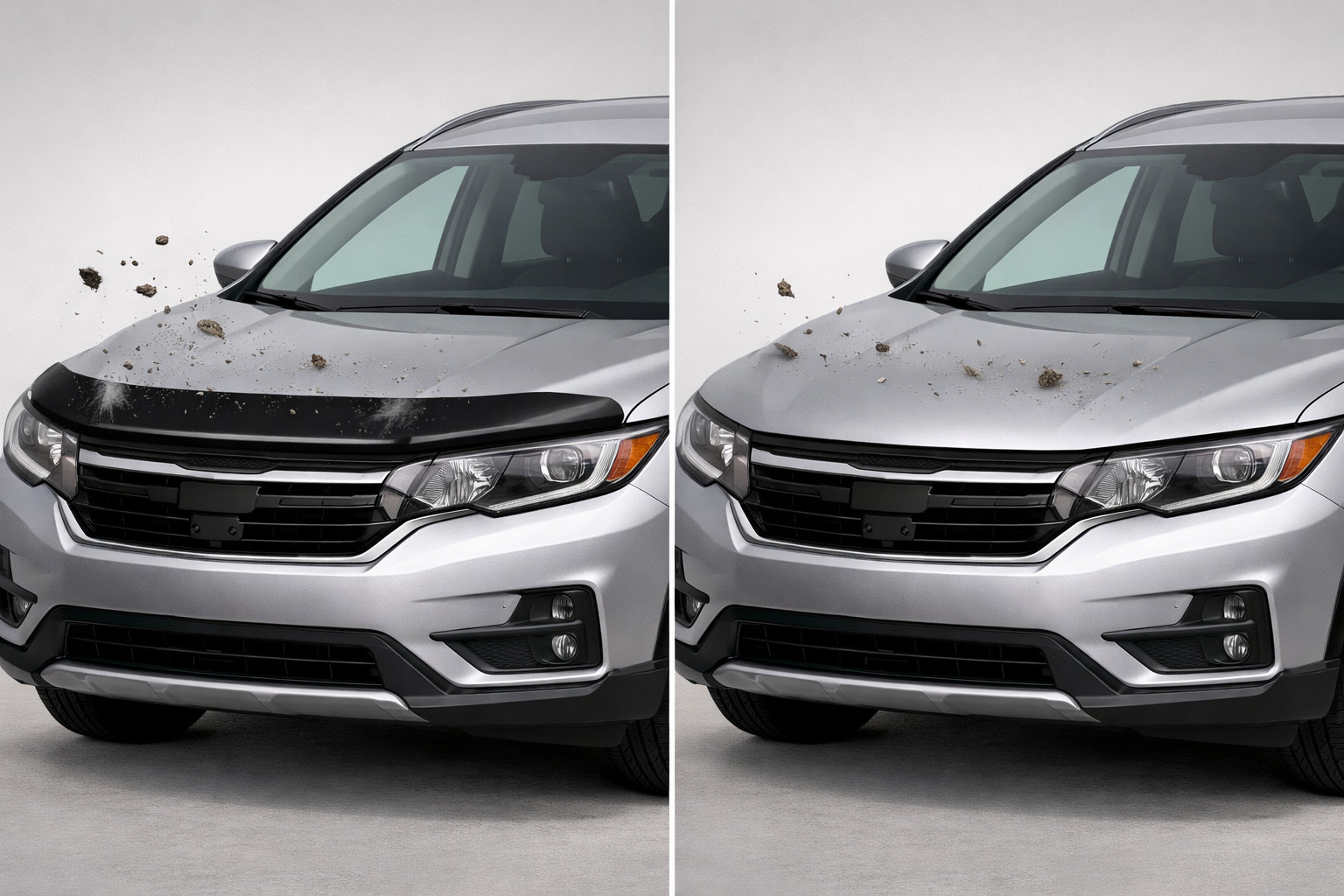
For most of these cars, the point isn’t power tuning, but protection and everyday convenience. On new models under warranty, chipping or software вмешательство is often simply not justified. What’s genuinely useful instead: cabin and trunk mats, door-sill protection, mud flaps, a trunk organizer, loading-sill covers, and for large crossovers, roof crossbars as well.
For EVs like BYD Seal, Sealion 7, or XPeng G6, it’s worth thinking about preserving the interior and trunk rather than “flashing” software. For Jaecoo J7, Omoda C5, Tiggo 7 Pro Max, and Haval H6 Hybrid, the most noticeable effect comes from accessories that protect the body in daily use. A convenient place to start is the Chinese cars section, then narrow the selection to Chinese crossovers, and after that browse compatible accessories for Chinese models.
In short, Chinese cars have already learned to win not only on price, but also on technology. Among EVs, the most interesting options are BYD Seal, BYD Sealion 7, and XPeng G6. For efficiency without a plug, it’s Haval H6 Hybrid. For a family format with petrol pulling power, Geely Monjaro and Chery Tiggo 8 Pro Max. Omoda C5, Jaecoo J7, and Tiggo 7 Pro Max suit those who want maximum equipment in the mass segment, but here it’s especially important to check service support and the exact local specification.
The main advice is simple: don’t choose a “Chinese car in general,” choose a specific model for your lifestyle. If you have charging—look at EVs. If you need versatility without infrastructure dependence—go for a hybrid or a petrol crossover. And only then does it make sense to pick accessories that truly make everyday use easier.
Shipping to EU
Wholesale and retail
Own warehouse
Опис продукту
Подарунки не надаються при оформленні покупки у кредит під 0,01% або при покупці частинами.