















































 Author: Radomskyi Maksym Vasyliovych
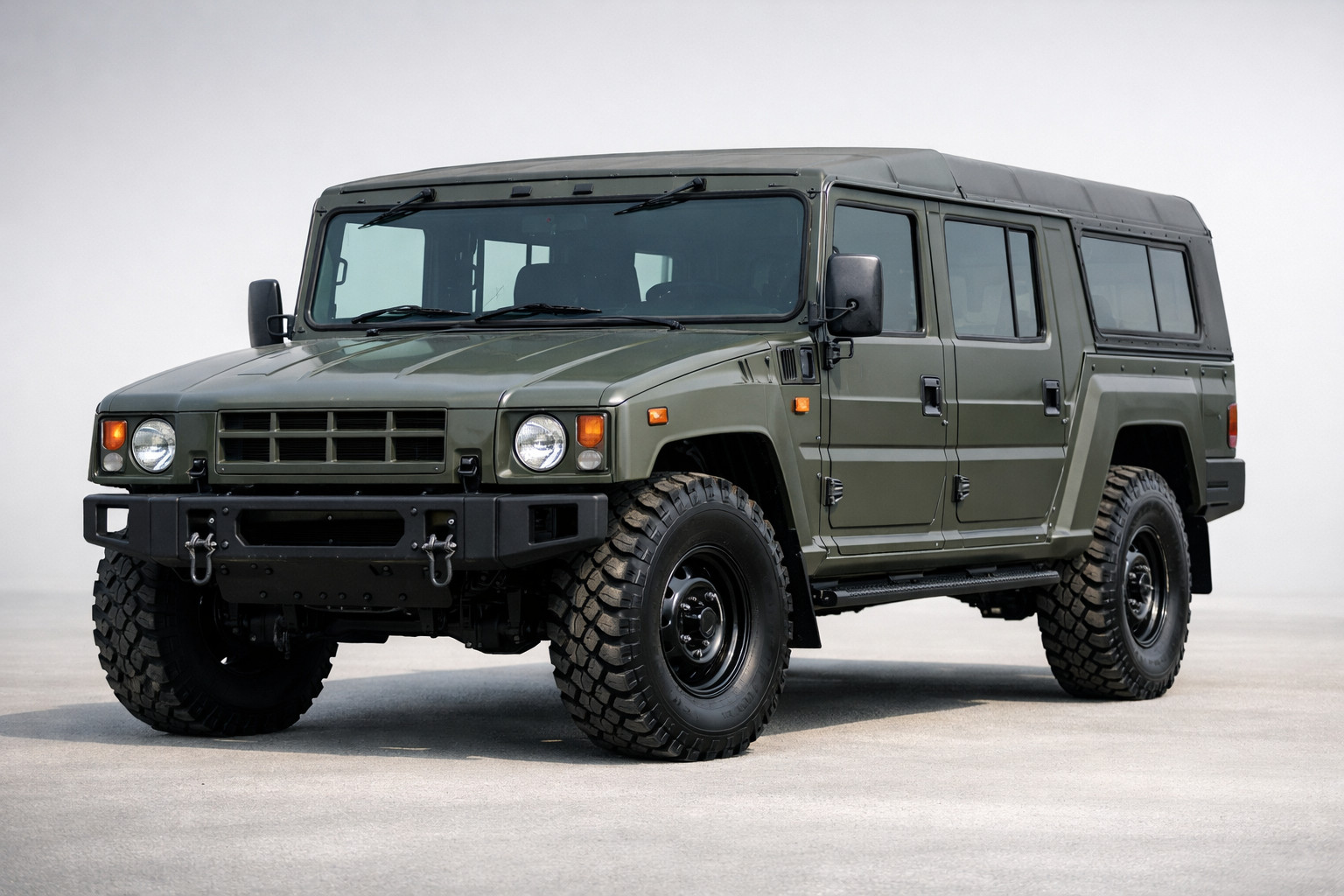
Toyota Mega Cruiser is not just a rare full-size off-roader, but almost military hardware adapted for the civilian market. Its essence lies in the factory off-road architecture: portal axles, permanent all-wheel drive, four-wheel steering, 420 mm of ground clearance, and a remarkably small turning radius for something this big.
This model is for collectors, fans of heavy expedition vehicles, and those who want a truly unusual project. For daily city use, tight parking garages, and a rational purchase, it’s one of the least convenient Toyota options.
The model and its place on the market
The Mega Cruiser stands apart even from the big Land Cruiser models: it’s not a family SUV, but a narrow-purpose vehicle with military roots. On the market it’s closer in concept to the Hummer H1, but with a Japanese approach to handling and packaging. Who it suits: lovers of rare machinery, collectible Toyotas, and serious off-road driving. Who it doesn’t: anyone who simply wants a big comfortable SUV for everyday use.
Generations and model history
The Mega Cruiser story began as a project for the Japan Self-Defense Forces, with the prototype shown back in 1993. The civilian version launched on January 9, 1996, and was sold only in Japan. Essentially, it’s a single generation without the typical multi-generation evolution of mass-market models; production is usually dated to August 2001, although some market references extend into 2002. The tiny production volume is exactly what made it a collector vehicle.
Engines and transmissions
The civilian Mega Cruiser effectively has one main powertrain: the 4.1-liter 15B-FT turbo diesel with a displacement of 4104 cm³. Officially it’s typically listed at 155 hp and 383 N·m, although reference sources show minor discrepancies in engine designation and quoted output. The gearbox is a 4-speed automatic, followed by a 2-speed transfer case, permanent all-wheel drive, a center lock, and off-road-oriented operation of the axle differentials.
| Parameter | What matters |
|---|---|
| Production period | 1996–2001, some mentions of sales through 2002 |
| Generation | One civilian generation |
| Engine | 4.1 L turbo diesel, 4104 cm³ |
| Power and torque | 155 hp and 383 N·m |
| Transmission | 4-speed automatic, 2-speed transfer case |
| Drive | Permanent all-wheel drive |
| Fuel tank | 108 L |
| Maneuverability | Turning radius 5.6 m |
Body, dimensions, and chassis
By size it’s genuinely large: 5090 mm long, 2170 mm wide, and 2075 mm tall, with a 3395 mm wheelbase. Curb weight is typically quoted around 2850–2900 kg. The main technical highlight is the portal axles, independent double-wishbone suspension front and rear, and disc brakes mounted closer to the axle centerline. All of this delivers not only a tall 420 mm ground clearance, but also very serious geometry: large approach and departure angles and real capability in tough terrain.
| Specification | Value |
|---|---|
| Dimensions | 5090 × 2170 × 2075 mm |
| Wheelbase | 3395 mm |
| Ground clearance | 420 mm |
| Curb weight | 2850–2900 kg depending on the source |
| Approach angle | 49° |
| Departure angle | 45° |
| Ramp angle | 33° |
| Cabin | 6 seats, 2+4 layout |
| Cargo space | Width 2050 mm; exact volume is not standardized across public sources |
| Payload | About 600 kg as a guideline; some sources list different figures |
Interior, comfort, and safety
Inside, the Mega Cruiser doesn’t try to pose as a premium SUV: everything is built around space, visibility, and utility. Seating is high, there’s plenty of room, and the cargo area is genuinely wide. In comparisons with the Hummer H1, this Toyota is often considered quieter and more suitable for pavement, but by modern standards the comfort is still very specific. Safety is old-school too: the main margin is in the design, capability, and visibility rather than a modern set of electronic driver aids.
Everyday use
In the city, the Mega Cruiser quickly reveals its main issue: its 2170 mm width and overall size. Even if it can turn tighter than you’d expect, narrow streets, parking garages, and daily routines are inconvenient. Add right-hand drive on most examples, difficulty sourcing body parts, and a niche spare-parts market.
Another nuance is thirst. There are no official consumption figures, and real-world estimates typically hover around 18 L per 100 km in mixed driving. For long highway runs it also matters that this isn’t a high-speed cruiser: its strength isn’t pace, but the ability to calmly pull through a demanding route where a regular SUV is already asking for mercy.
Strengths and weaknesses
From an owner’s perspective, the Mega Cruiser wins you over not with versatility, but with character and capability. But the stronger its charisma, the higher the demands on patience, budget, and willingness to live with rare machinery.
| Pros | Cons |
|---|---|
| Near factory-built expedition architecture without deep modifications | Very wide body, inconvenient for city use |
| Portal axles, 420 mm clearance, all-wheel drive, and four-wheel steering | High purchase price and a difficult search for a good example |
| Surprisingly small turning radius for its size | High fuel consumption |
| Spacious interior and strong cargo potential | Risks of corrosion and age-related issues |
| Very high collector value and rarity | Most vehicles are right-hand drive; many parts can’t be sourced quickly |
Tuning and accessories
With the Mega Cruiser, the point is not cosmetic tuning but functional upgrades: anti-corrosion protection, underbody protection, lighting, cargo solutions, a rear-view camera, heaters, and careful expedition-oriented retrofitting. The worst-case scenario is turning a rare vehicle into a heavy show project with a bunch of random parts. What’s valued here isn’t flashiness, but serviceability and a logical approach to upgrades.
What to check out for this model
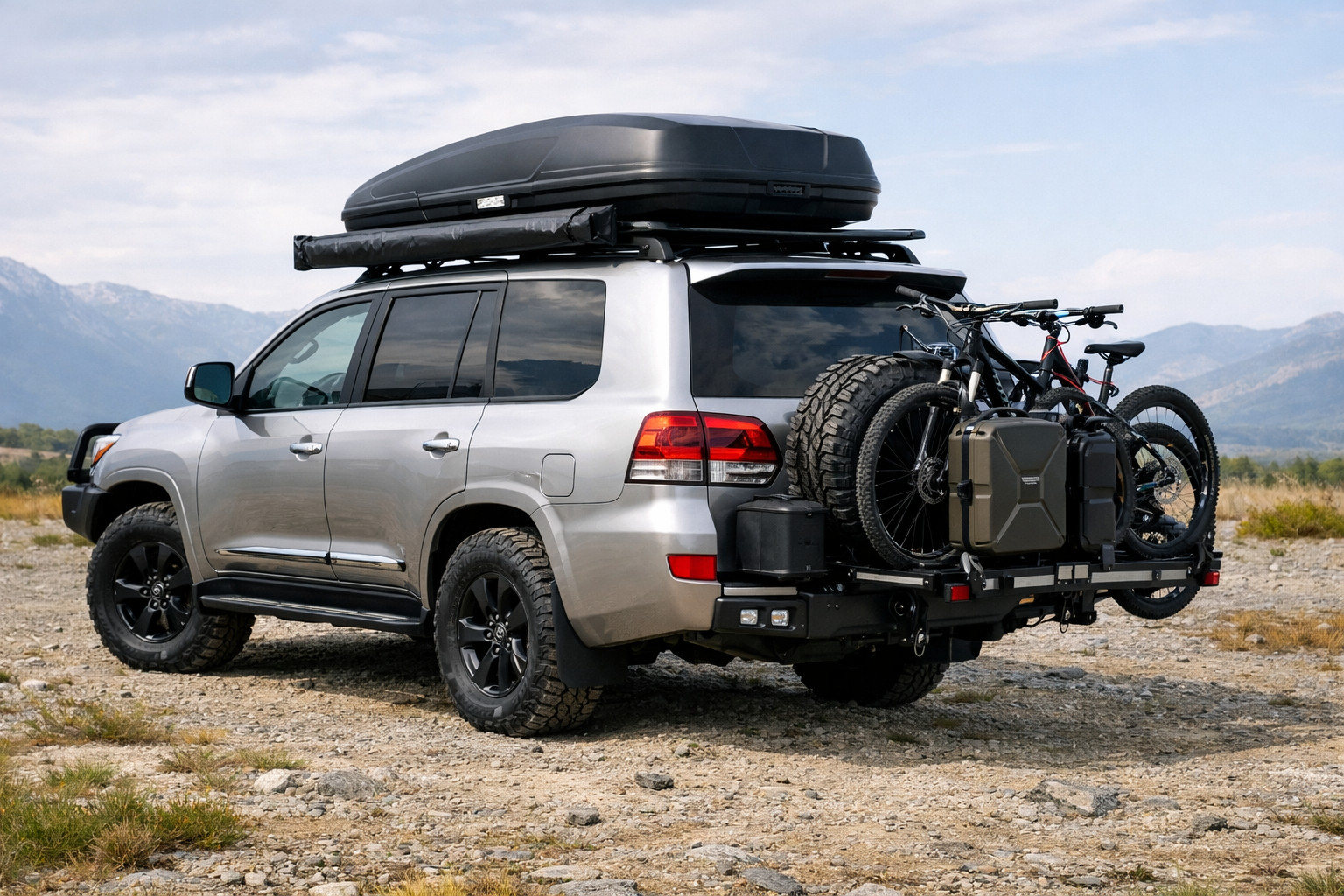
- Roof racks and cross bars — a useful reference if you’re building an expedition setup with extra cargo and gear.
- Underbody protection — what you should start with for any serious trip off the pavement, especially on a heavy vehicle with a real off-road use case.
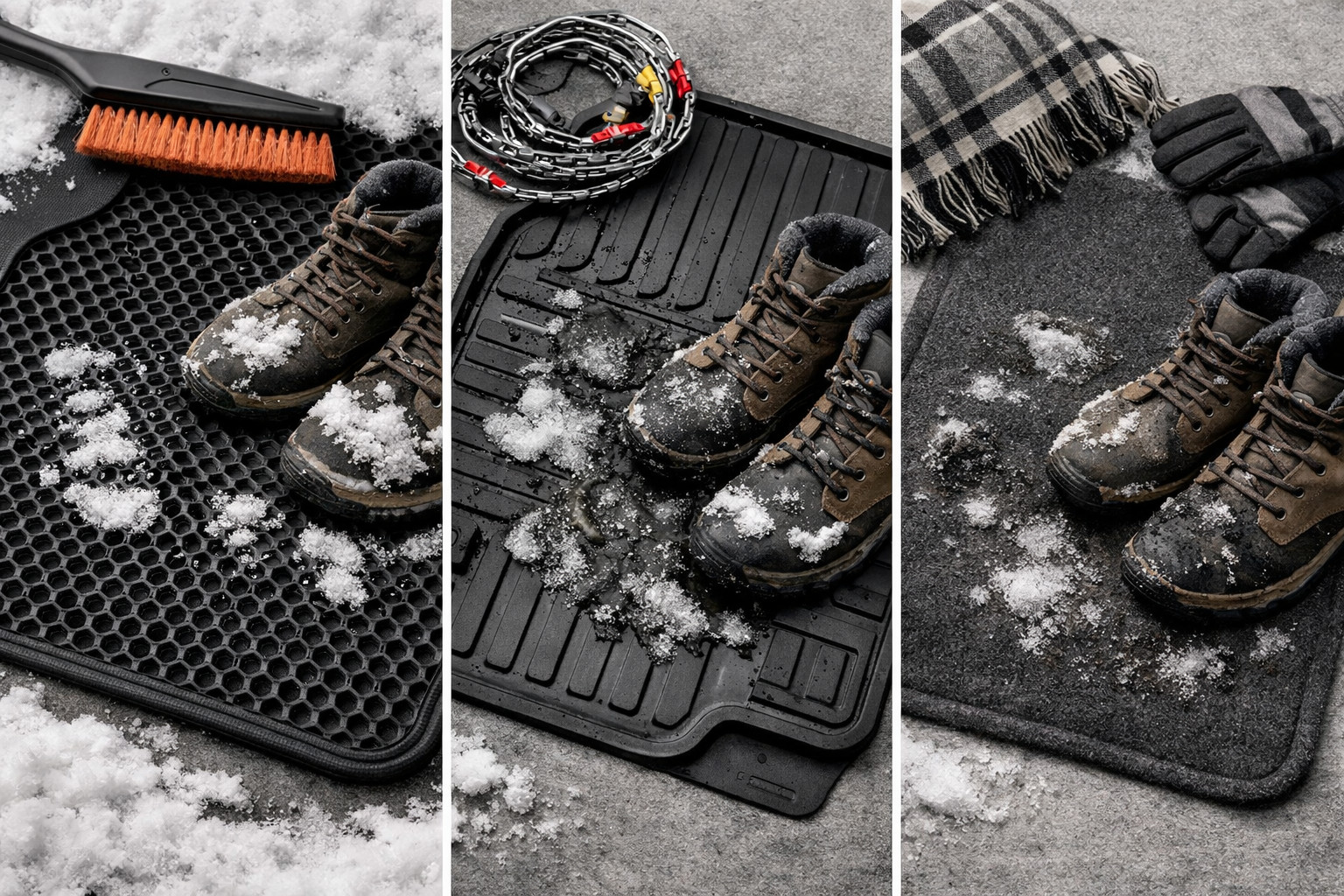
- Floor mats — a basic but practical item for an interior that often sees mud, water, snow, and equipment.
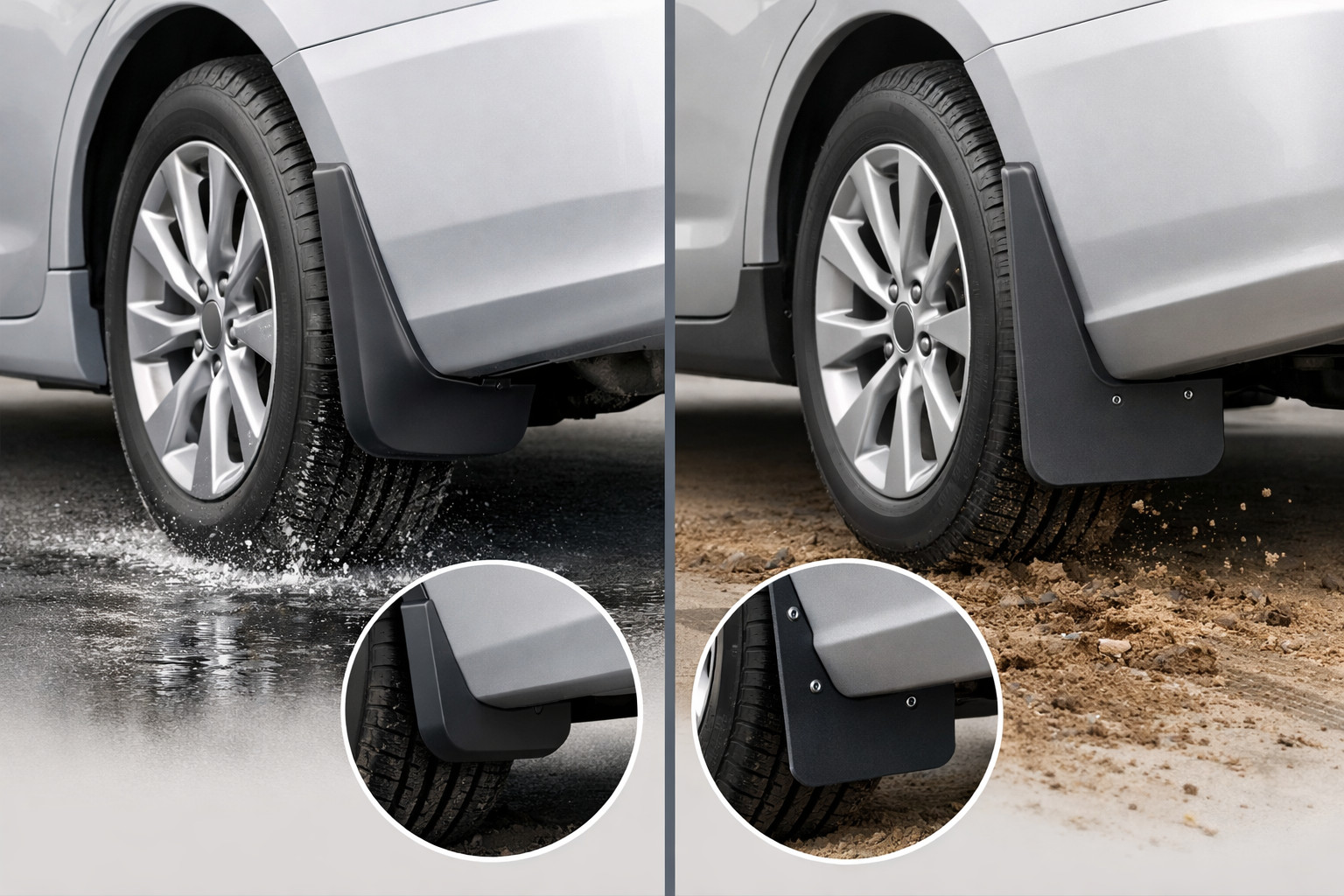
Because the Mega Cruiser is so rare, there aren’t many ready-made model-specific items, so in practice people focus less on “pretty” accessories and more on the right type of solution: protection, cargo systems, interior protection, and auxiliary equipment for harsh conditions.
Conclusion
The Toyota Mega Cruiser is not a rational alternative to a regular full-size SUV, but a separate category of vehicle. If you want a collectible, extremely capable, genuinely unusual car, it has almost no direct analogs; if you need a simple daily driver, you’re better looking elsewhere. This material is based on real selection practice, real use scenarios, and hands-on experience with accessories for full-size off-roaders—not abstract marketing statements.
Pros and cons
Portal axles, permanent four-wheel drive, and 420 mm of ground clearance give the Mega Cruiser true heavy off-road capability without major modifications.
Despite its large dimensions, the 5.6 m turning radius is unusually small for such a vehicle, so maneuvering in difficult sections is easier than you’d expect.
The cabin is very spacious, and the cargo area is wide, making the vehicle convenient for expedition gear and carrying large amounts of luggage.
The model has high collector value due to its tiny production run and rarity on the market, which matters for those looking for an unusual example.
The design is focused on utility and repairable functional upgrades rather than decorative tuning, which is practical for expedition vehicles.
The body is very wide and bulky, so in the city, on narrow streets, and in parking lots the Mega Cruiser is inconvenient.
The vehicle is rare, right-hand drive in most examples, and finding a good one as well as body or mechanical parts can be difficult.
Fuel consumption is high: practical estimates put it at around 18 l/100 km in mixed driving.
Due to its age, there is a risk of corrosion and other age-related issues, so buying one requires a careful inspection of its condition.