














































 Author: Radomskyi Maksym Vasyliovych
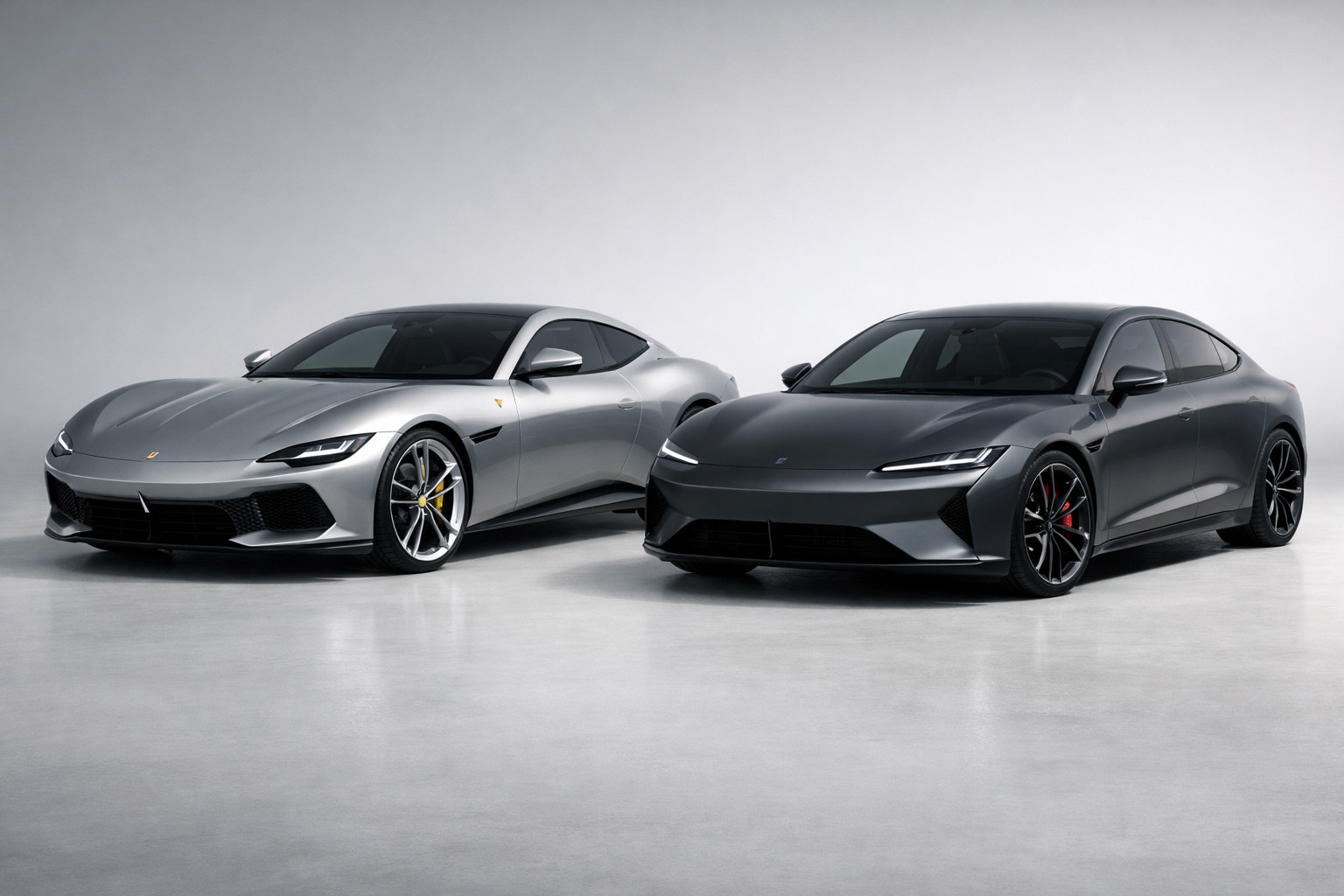
If you boil it down to one sentence, Ferrari Luce is an expensive electric grand tourer with an unusually practical twist for the brand, while the Xiaomi SU7 Ultra is already a mass-produced, ultra-powerful electric sedan that beats Ferrari in the raw numbers for acceleration and top speed. But the comparison isn’t that simple: Xiaomi can already be judged as a real product, whereas Luce still exists at the stage of a debut and preparation for deliveries.
So the key question here isn’t “which is faster,” but what each buyer actually needs. The SU7 Ultra feels more like a technical show of strength with a very strong price-to-performance ratio. Luce wins differently: Ferrari status, five seats, a large trunk, and a charging architecture that makes it look less like a track toy and more like a fast long-distance car.
The model and its place in the market
Ferrari Luce opens a new segment for the brand: a fully electric four-door car with a five-seat cabin and a liftback body. In terms of use, it’s not a replacement for a classic mid-engined Ferrari, but an electric grand tourer for everyday driving and long routes.
Xiaomi SU7 Ultra sits at a different point in the market. It’s a production super-sedan with a three-motor layout, very high peak output, and a focus on record-setting dynamics. For the buyer, it’s more of an alternative to other very fast electric sedans than to an old-school premium grand tourer.
Who it suits: Ferrari is for those who want a rare item with everyday usability and are willing to live with a high price and the lack of long-term ownership statistics. Xiaomi is for those who want maximum speed, space, and tech right now, but without the aura of exclusivity.
Generation and model history
With Ferrari it’s straightforward: Luce is the first-generation electric Ferrari, officially shown in May 2026, with deliveries announced for Q4 2026. An important nuance: in some technical materials the platform itself still appears under the name Elettrica, so early references contain some naming confusion.
SU7 Ultra isn’t a separate multi-generation model, but the most powerful production version of the Xiaomi SU7 family. It went on sale in 2025. There hasn’t been a distinct generation change for the Ultra yet, so it’s too early to talk about evolution: this is the model’s starting phase.
Powertrains and transmissions
Engine displacement doesn’t apply here because both cars are electric. What matters is the number of electric motors, total power, torque, battery architecture, and behavior under load.
| Parameter | Ferrari Luce | Xiaomi SU7 Ultra |
|---|---|---|
| Years / generation | from 2026, first generation | from 2025, first production Ultra version in the SU7 lineup |
| Powertrain layout | 4 electric motors, all-wheel drive | 3 electric motors, all-wheel drive |
| Displacement | not applicable | not applicable |
| Power | 772 kW, approx. 1035 hp | 1138 kW, approx. 1548 hp |
| Torque | 990 N·m per review sources; official wheel torque figures are provided separately | 1770 N·m |
| Battery | 122 kWh, 800-volt architecture | 95.0 kWh gross, 93.7 kWh usable, 800-volt class |
| Charging | up to 350 kW, 10–80% in about 18 min | public data varies by source |
| 0–100 km/h | 2.5 s | 1.98 s |
| Top speed | 310 km/h | 350 km/h |
| Range | over 530 km WLTP | 700 km CLTC; significantly less in real fast driving |
By the powertrain numbers, Xiaomi is objectively more aggressive. But Ferrari is more interesting in how that power is packaged: four motors, a disconnecting front axle for efficiency, and deep integration of the power unit into the chassis. These are different philosophies, not just different power figures.
Body, dimensions, and chassis
Luce is more practical than the usual Ferrari image: four doors, five seats, a large rear cargo opening. The SU7 Ultra remains a classic sedan, but it has a very long wheelbase and a sporty suspension with air springs and adaptive dampers.
| Parameter | Ferrari Luce | Xiaomi SU7 Ultra |
|---|---|---|
| Body | liftback, 4 doors | sedan, 4 doors |
| Seats | 5 | 5 |
| Length | 5026 mm | 5070 mm |
| Width | 1999 mm | 1970 mm |
| Height | 1544 mm | 1465 mm |
| Wheelbase | 2960–2961 mm | 3000 mm |
| Weight | about 2300 kg | 2360 kg |
| Ground clearance | no consistently confirmed public data | no consistently confirmed public data |
| Trunk | 597 L | 493–559 L plus 105 L front |
On the chassis side, Ferrari bets on complex kinematics: active suspension, rear-axle steering, and a rear-biased weight distribution. Xiaomi counters with a more conventional but very serious setup: double wishbones up front, a multi-link rear, and air suspension. On rough roads, both cars should be considered low and expensive to run, even if the exact ground clearance isn’t publicly confirmed.
Interior, comfort, and safety
For Ferrari, the main news isn’t screens—it’s the layout. Five seats and a nearly 600-liter trunk change the very meaning of owning a Ferrari: it’s no longer a car only for a short emotional drive, but also for a family or business trip. At the same time, there’s no mass owner experience yet, so the real levels of noise, minor vibrations, and everyday quirks still need time to be proven.
The SU7 Ultra feels more mature in daily use precisely because it’s already in customers’ hands. It’s noted for a quieter cabin, sufficient second-row space, and a more comfortable ride than you might expect from a car with this output. On safety, it’s more accurate here to talk not about ratings (none are cited), but about chassis behavior: in both cases these are cars that demand respect for their power, not mindless throttle stabbing.
Everyday use
Ferrari looks stronger where an EV needs to be convenient on long trips: a big battery, over 530 km WLTP range, and fast charging up to 350 kW. On paper, it’s one of the best formats for fast intercity travel. But again: until mass deliveries start, this is a forecast, not proven statistics.
Xiaomi offers more certainty. In real highway driving, consumption around 21–22.8 kWh per 100 km seems plausible for a car in this class. That means the SU7 Ultra can be used daily, but its character is still excessive for the city: the potential is enormous, and there’s almost nowhere to use it without a track or Autobahn.
The practical takeaway is simple. Luce makes sense for those looking for a very fast electric grand tourer with a trunk and a full second row. The SU7 Ultra is a better fit for someone who wants maximum performance for more attainable money and is ready to accept certain compromises of a younger brand.
Strengths and weaknesses
| Model | Strengths | Weaknesses |
|---|---|---|
| Ferrari Luce | A practical-for-Ferrari body, 5 seats, 597 L trunk, strong charging system, very complex chassis engineering | Very high price, almost no real owner statistics, design is perceived ambiguously |
| Xiaomi SU7 Ultra | Phenomenal dynamics, lots of space, strong chassis hardware package, already in production | There have been questions about the brand’s communication regarding certain technical solutions and software limitations, a harsh potential usage scenario |
From an owner’s perspective, Ferrari looks more mature as an expensive daily-life item, while Xiaomi looks like a car with an almost absurd reserve of capability for the money. If you want a status fast EV without being an early tester, Ferrari is still the riskier choice for now. If you want a real mass-produced product here and now, the SU7 Ultra looks more concrete.
Tuning and accessories
For cars like these, the smartest tuning starts not with adding power, but with protecting the interior, trunk, and choosing the right wheels. With Xiaomi, this is already a practical matter because the model is on the market. With the Ferrari Luce, it makes sense to wait for the catalog to appear and not rush decorative solutions until there’s real compatibility and usage data.
What to check out for this model
- Floor mats for Xiaomi SU7 — the first thing that makes sense for a daily driver with an expensive interior and a low seating position.
- Trunk mat — useful if you carry charging cables, bags, or small gear in the trunk that you don’t want to toss directly onto the trim.
- Forged R21 wheels — relevant for those who want stiffer wheel geometry control and don’t want a random choice of heavy universal wheels.
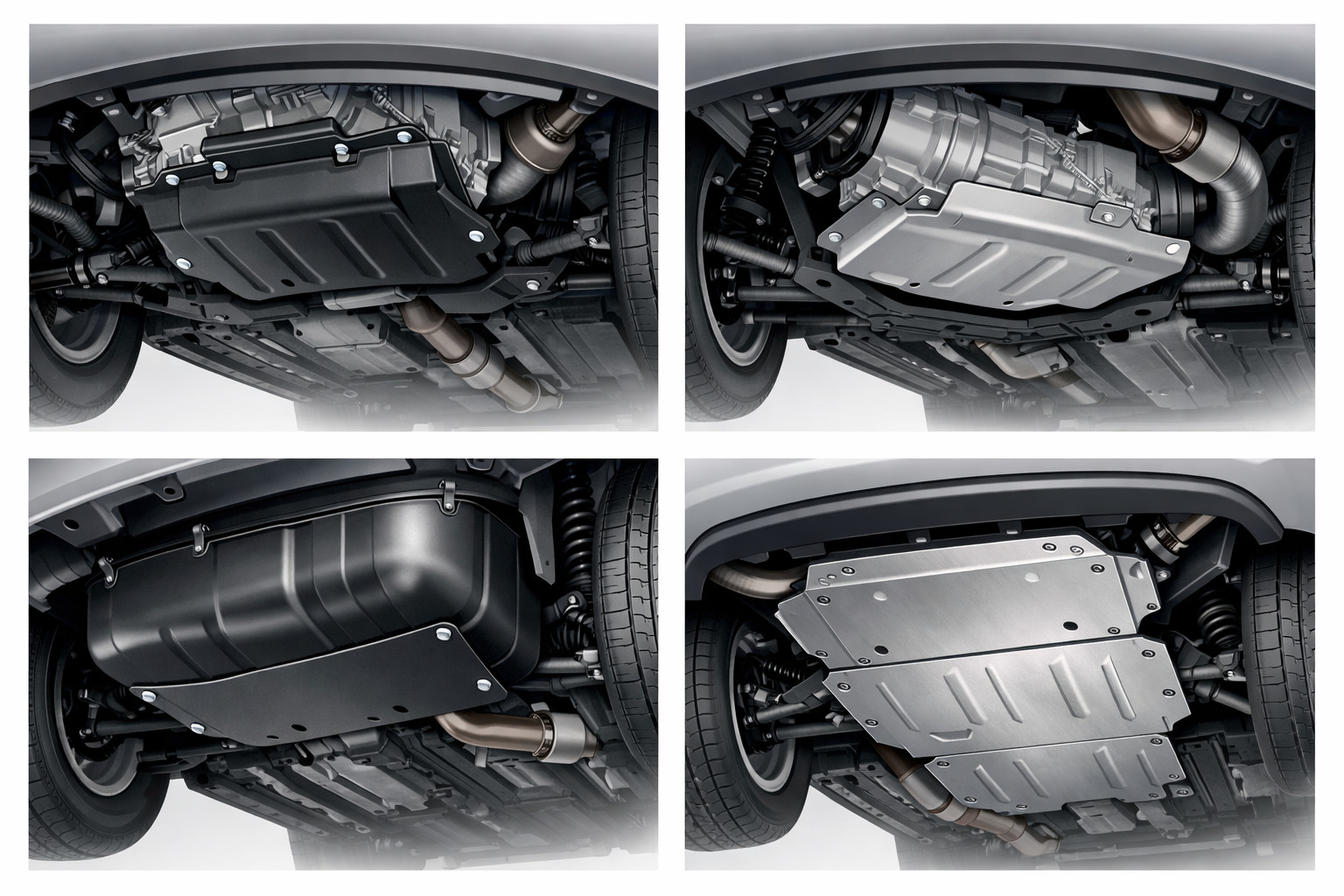
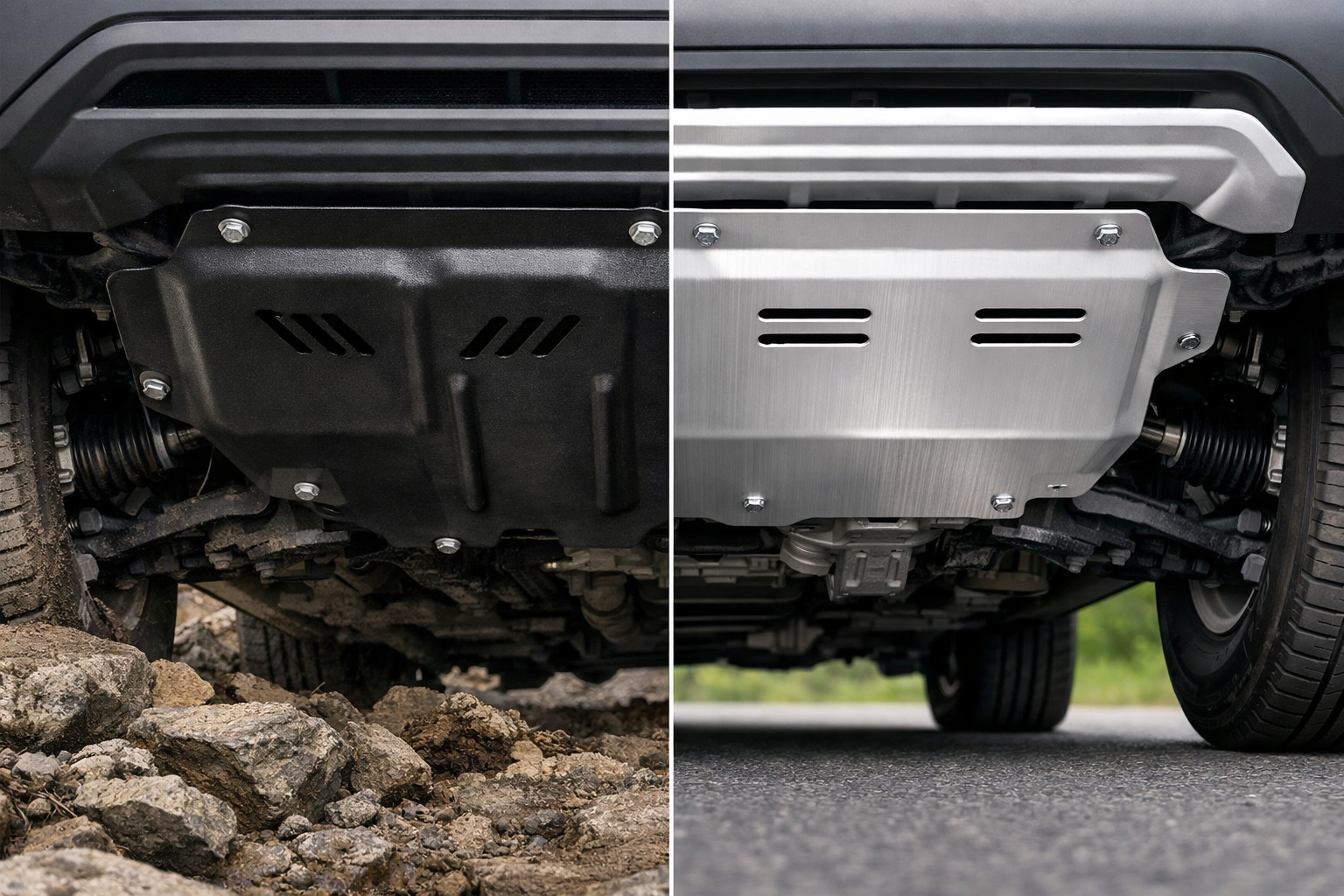
In the case of the SU7 Ultra, accessories make sense right away because the car actually drives and the owner quickly understands their needs. In the case of the Luce, I’d look first at protective solutions and careful wheel selection, not cosmetic modifications just for effect.
Conclusion
The Xiaomi SU7 Ultra is stronger in pure dynamics and clearer as a ready production product: you can already judge it by real-world use, consumption, and behavior. The Ferrari Luce is more interesting as a new format for the brand itself: a very fast, five-seat, spacious electric grand tourer with serious engineering, but without a long operating history.
So the choice doesn’t come down to numbers alone. If you need a car that already delivers maximum performance and practical clarity today, it’s more logical to look at Xiaomi. If brand, exclusivity, and the “daily Ferrari” format matter, Luce looks promising—though with an adjustment for its early life-cycle stage. This material is based on real practice in selecting accessories, analyzing configurations, and real usage scenarios, not on glossy advertising promises.
Pros and cons
Ferrari Luce combines the grand tourer format with practicality: five seats and a 597 l trunk make it suitable not only for emotional drives, but also for everyday routes.
The model has a strong charging architecture: the 800-volt system and charging up to 350 kW allow energy to be replenished quickly, which is important for long trips.
Xiaomi SU7 Ultra is already a production car, so it can be assessed not only by the specs, but also by real-world use and consumption on the move.
In pure dynamics, the SU7 Ultra is very strong: 1.98 s to 100 km/h and a top speed of 350 km/h put it above Ferrari Luce in hard numbers.
Ferrari Luce stands out with its complex chassis engineering: four motors, active suspension, rear-wheel steering, and a disconnectable front axle make it technically very interesting.
Ferrari Luce still does not have a long record of real-world operation, so some of its advantages cannot yet be verified in practice.
Ferrari is very expensive, and the design already вызывает mixed reactions, so this is not a case where the model is easily accepted without reservations.
Xiaomi SU7 Ultra has a less exclusive status: it is already a finished production product, but without the aura of rarity expected from Ferrari.
The SU7 Ultra is characterized by excess potential for the city: it is difficult to fully realize its capabilities without a track or autobahn.