















































 Author: Radomskyi Maksym Vasyliovych
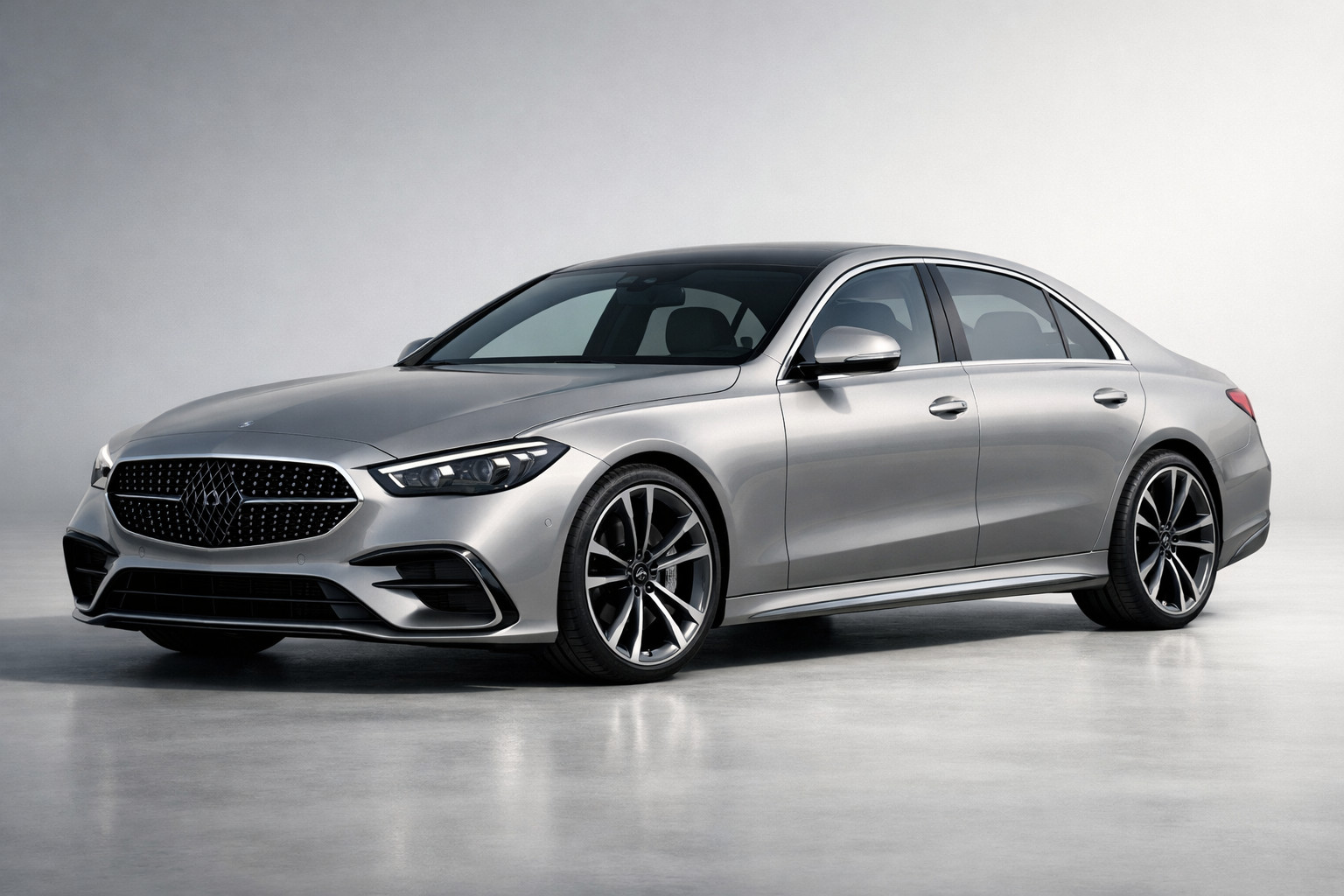
BMW X7 G67 at the moment is not a production model, but a future project with a tentative production start target of August 2027. So the honest approach is simple: don’t assign finished specs to the G67, and look at the current X7 G07 as the closest real benchmark in class, format, and model logic.
The essence of this vehicle doesn’t change: the X7 is a large seven-seat BMW for those who need quiet highway cruising, powerful engines, towing capability, and a high level of comfort. Don’t expect the G67 to suddenly turn into a utilitarian giant with a record-setting third row: if the current picture is to be believed, it will remain an expensive family-and-executive crossover, not a minivan replacement.
The model and its place in the market
The BMW X7 sits at the top of the brand’s large crossover lineup. Its mission is family use, long-distance travel, towing a trailer, winter driving, and day-to-day comfort at a level closer to an executive sedan than to a harsh body-on-frame SUV.
Who it suits: those who actually use 6–7 seats, drive on highways often, want strong performance even in a big body, and aren’t afraid of maintenance costs. Who it doesn’t suit as well: those who drive mostly in the city, park in tight courtyards, or put maximum third-row space and ease of ownership first.
Generations and model history
The real history of the X7 so far consists of one generation—the G07—which launched in 2019 and remains current. By production timelines, the current G07 is expected to run until the end of July 2027, while the G67 and the electric iX7 are mentioned as the next step with production starting in early August 2027.
The key takeaway is this: the BMW X7 G67 does not yet have confirmed final dimensions, interior details, pricing, or powertrain versions. All that can be said concretely is the expected direction of the model’s development and how the current X7 G07 performs in real life.
Engines and transmissions
Rumors suggest the G67 won’t abandon the classic X7 formula: gasoline and diesel versions, different emphases for different markets, and a plug-in hybrid at launch doesn’t look mandatory. For Europe, it’s logical to expect a diesel; for the US, the V8 likely stays in the higher trims. But these are guideposts, not an approved specification.
| Current X7 G07 version | Engine | Power and torque | Transmission | Practical meaning |
|---|---|---|---|---|
| xDrive40i | 3.0 L gasoline inline-six | 381 hp, 540 N·m | 8-speed automatic, all-wheel drive | The most well-balanced option for daily driving |
| xDrive40d | 3.0 L diesel inline-six, mild hybrid | 352 hp, 720 N·m | 8-speed automatic, all-wheel drive | A strong pulling option for highway driving, load, and trailer |
| M60i xDrive | 4.4 L gasoline V8 | 530 hp, 750 N·m | 8-speed automatic, all-wheel drive | Maximum thrust and pace, but with higher running costs |
All current G07 powertrains already answer what to expect from the G67’s character: a big BMW won’t be sluggish. Even the six-cylinder versions are quick, and the V8 makes the X7 very dynamic for its size.
Body, dimensions, and chassis
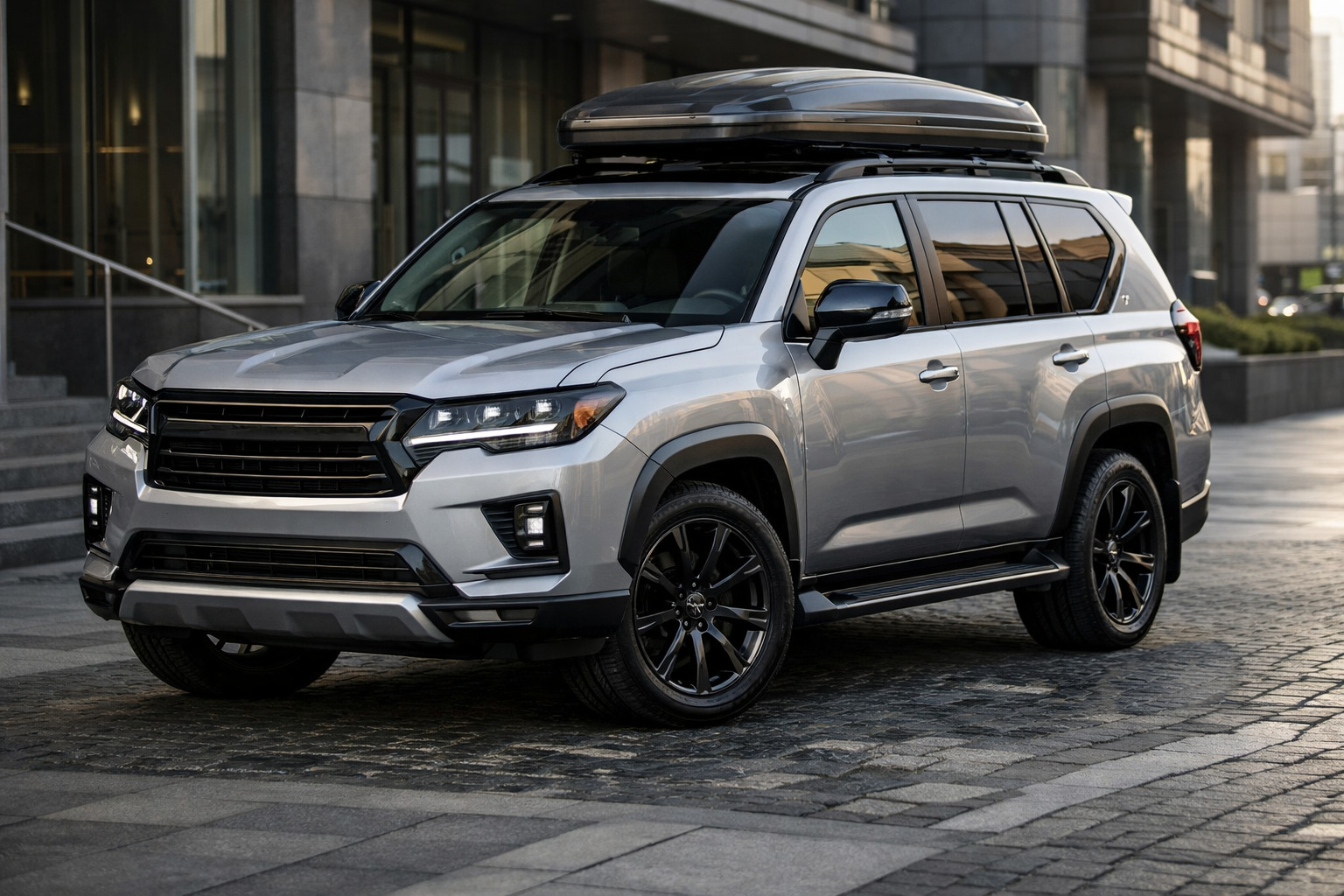
The best technical reference right now is the X7 G07: length 5181 mm, width 2000 mm, height 1835 mm, wheelbase 3105 mm. It’s a very large body that brings stability on the highway and space in the cabin, but it requires getting used to in parking garages and narrow courtyards.
| Parameter | Current X7 G07 | What it means in practice |
|---|---|---|
| Ground clearance | 221 mm | Enough margin for curbs, snow, and rough roads |
| Trunk | 750-2120 L | Good family volume, but not class-leading behind the third row |
| Trailer towing | Up to 3500 kg | A strong argument for a boat, trailer, or caravan |
| Wading depth | 500 mm | Not for extreme use, but the geometric margin is useful |
| Turning circle | 13 m | City driving and underground parking will require attention |
The current X7’s chassis is built around air suspension and adaptive dampers, and certain trims offer rear-wheel steering and active anti-roll bars. If the G67 keeps this philosophy, the focus will again be on comfort and controlling mass rather than a stiff, sporty character.
Interior, comfort, and safety
The current X7 comes with a 7-seat layout, while the 6-seat version suits those who more often carry adults in the second row and want easier access to the rear. Five-zone climate control, a quiet ride, and strong insulation make the X7 a very capable long-distance vehicle.
There’s an important caveat: the X7’s third row isn’t considered the roomiest in the segment. It’s comfortable for kids and short trips, but if you need the most adult-friendly third row possible, some large competitors are more practical. Likewise, large 23-inch wheels can noticeably hurt ride comfort on poor surfaces.
In terms of safety and driver assistance, the current X7 maintains a high level, but its reputation is affected by complaints about electronics, sensors, brake components, and lengthy repairs. For the future G67 this isn’t a verdict, but it’s also not the kind of class you buy with the mindset of “it’ll be cheap and simple.”
Everyday use
In real life, the X7 is interesting because the six-cylinder versions don’t seem overly thirsty for their size. For the xDrive40i, a real-world average of about 11.2 L per 100 km looks like a plausible benchmark, and the diesel xDrive40d should theoretically be even better suited to high mileage. The M60i’s highway numbers can also surprise, but they shouldn’t be confused with a city-use scenario.
From a practical standpoint, the main pluses are: a large fuel tank, strong pulling power, high-speed comfort, useful payload, and towing up to 3500 kg. The main everyday drawbacks are just as obvious: size, expensive tires, complex suspension hardware, sensitivity to equipment choices, and the risk that service issues will take more time than you’d like.
Strengths and weaknesses
| Strengths | Weaknesses |
|---|---|
| High ride comfort and quiet highway cruising | Third row and the space behind it aren’t the best in class |
| Strong performance even in six-cylinder versions | Large wheels can worsen ride comfort |
| 7 seats, a good trunk, 3500 kg towing | There are complaints about electronics, brakes, and lengthy repairs |
| A good balance of power and consumption in the 40i and 40d | Final G67 data hasn’t been confirmed yet |
From an owner’s perspective, the logic is simple: the X7 is strong where you need a big, quiet, fast vehicle for family and highway driving. Its weaker side shows up when you expect minivan-like third-row space, cheap ownership, or complete indifference to service quality.
Tuning and accessories
For the G67, there’s no point buying body parts or fitment-specific components in advance: until there’s a production vehicle, there’s no precise understanding of mounts, geometry, and compatibility. Instead, it’s already clear which accessories will be needed first by owners of a large X7: cabin protection, easier entry, and practical solutions for everyday use.
What to check for this model
- accessories for the current X7 G07 — a useful reference for what people actually install on today’s vehicle and what will likely be in demand for the G67.
- rubber floor mats — a basic item for a large family crossover, especially if the car often drives in rain, snow, and with kids.
- side steps — make sense where easier entry, roof access, and everyday passenger comfort matter.
Pragmatically speaking, for the X7 it’s most often not decorative elements that pay off, but the ones that make daily life easier. For the future G67, this is especially relevant: first wait for confirmed body parameters, and only then think about body kits, grilles, or other parts with a precise fit to the body.
Conclusion
For now, the BMW X7 G67 should be seen as an upcoming generational change rather than a vehicle with a ready set of specifications. If BMW keeps the current X7 philosophy, we’ll get a very large, comfortable, powerful seven-seat crossover with strong highway qualities—but without any magical solution to the issues of size, service complexity, and third-row space.
The practical conclusion is this: it makes sense to wait for the G67 if you want a flagship BMW and are ready to hold off for the official specifications. If you need clarity right now, you should look at the experience of the current G07. This material is based on real selection experience, practice, and real-world usage scenarios—not on marketing promises or fantasies around a model that hasn’t been unveiled yet.
Pros and cons
The large X7 is well suited to long trips: the article highlights the quiet cabin, high ride comfort, and good insulation. This is practical for those who often travel on the highway with family or passengers.
The model has strong towing capability: towing up to 3500 kg and useful payload are stated. For a trailer, boat, or caravan, this is a significant advantage.
Even the six-cylinder versions of the current X7 are described as dynamic, and the diesel xDrive40d is separately highlighted as convenient for high mileage. This makes the vehicle not only comfortable, but also suitable for brisk daily driving.
The air suspension, adaptive dampers, and in some versions rear-wheel steering and active stabilizers are intended to keep the large mass under control. In practice, this should help both on the highway and during maneuvers.
There is a 7-seat layout, as well as a 6-seat version for those who value second-row comfort and easier access to the rear more. This flexibility is useful for family use.
The third row in the X7 is not considered the most spacious in the class, and it is not as comfortable for adults as in some rivals. If what you need is a truly maximally practical seven-seat cabin, this is a weak point of the model.
The large body and 13 m turning circle make life harder in the city, underground parking lots, and narrow courtyards. For daily driving in tight urban areas, this is an inconvenient vehicle.
The article explicitly mentions complaints about electronics, sensors, braking components, and lengthy repairs. In other words, ownership can be more complicated and nerve-racking than with simpler cars.
The large 23-inch wheels can noticeably worsen ride comfort on poor road surfaces. For Ukrainian roads, this is an important practical downside.